Gas Line Installation & Safety: What Every Property Owner Needs to Know
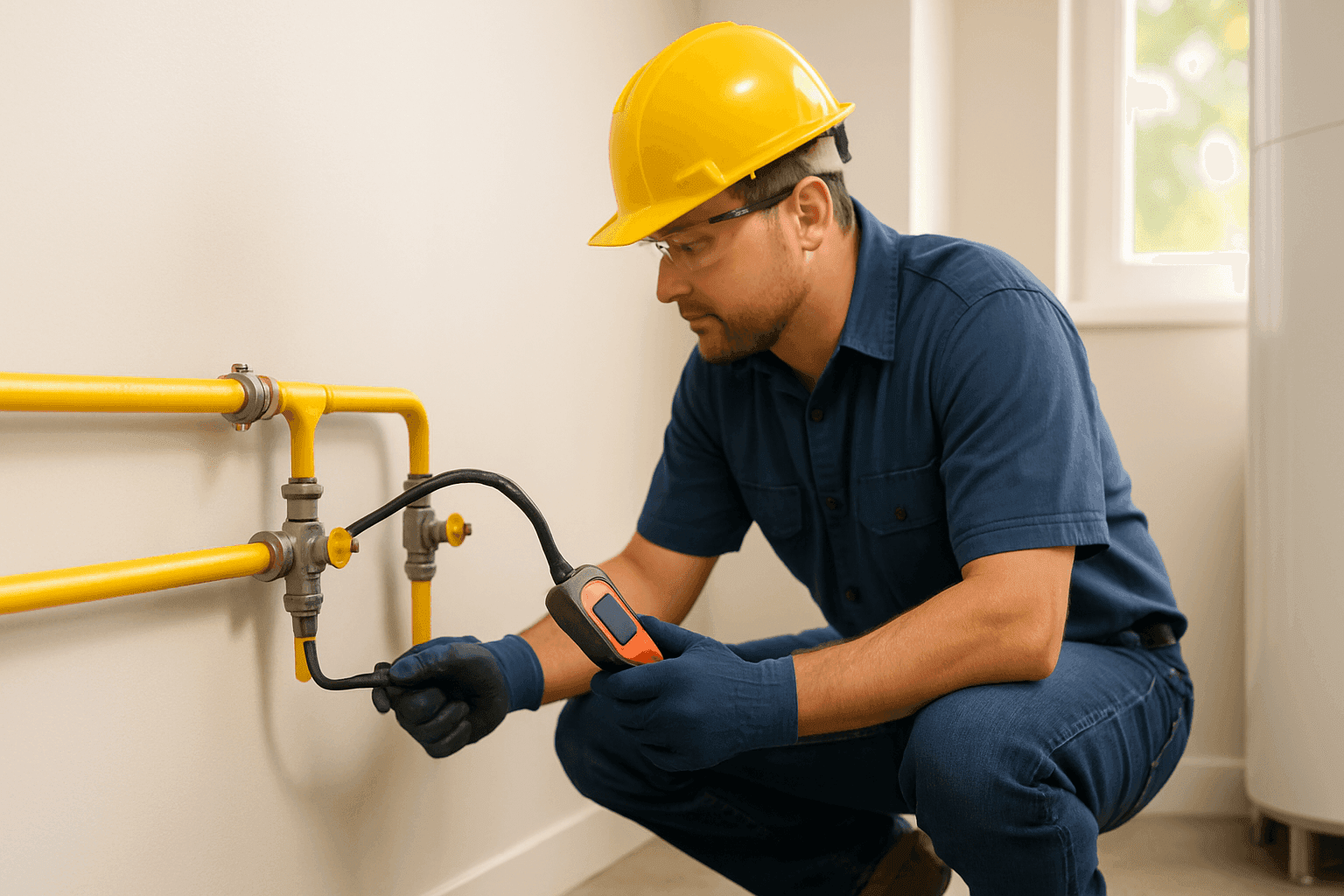
Gas lines run through the heart of your property—hidden, silent, vital. They bring warmth to homes, power to businesses, and comfort on winter nights. But if something goes wrong, the risks aren’t just about inconvenience. It’s safety, health, and everyone inside.
At Wilson Plumbing, we know emergency plumbing situations don’t wait for business hours. When it’s your home or business on the line, you need clear facts and a plan you can trust.
Why Safe Gas Line Installation Matters 🛡️
Gas is powerful. It heats water, fires up stoves, and keeps your family or team moving. But when a line is installed poorly, or parts are worn, the stakes are high.
- A small leak can lead to fire or explosion.
- Exposure to natural gas is hazardous to your health.
- Improperly installed lines may violate local codes and void insurance.
Whether you’re installing a new appliance, updating for earthquake safety, or repairing after a storm, each step matters. According to the National Fuel Gas Code (NFPA 54), all installations must meet strict standards. Only licensed, bonded, and insured professionals should handle this work.
Gas Leak Warning Signs
A gas leak might sneak up like a silent thief. Here’s what to look for:
- Smell of rotten eggs (added odorant for detection)
- Hissing or whistling sounds near lines or appliances
- Dying plants or grass above buried lines
- Bubbles in standing water outside your property
- Unusual headaches, nausea, or dizziness indoors
If you notice any of these, it’s an immediate emergency plumbing situation. Do not ignore it.
Professional Installation Process
What actually happens when you call for gas line installation? It’s not just about connecting pipes. Here’s the step-by-step:
-
Assessment & Planning
Every property is different. A licensed plumber reviews blueprints, checks for code compliance, and identifies safe pipe routes—especially around earthquake or freeze-prone zones. -
Permitting
City or county approval ensures your project meets safety guidelines. No shortcuts. -
Shutoff & Preparation
The main gas supply is turned off. Pipes are cleaned, measured, cut, and fitted. -
Installation of Pipes & Valves
All joints are sealed with approved compounds. Pressure regulators and shutoff valves are installed at every appliance. -
Appliance Connections
Flexible connectors are used for stoves, water heaters, and furnaces. Everything is double-checked for tightness. -
Pressure Testing
The new system is pressurized with air, then checked with leak detection fluid. -
Inspection & Sign-Off
Local inspectors approve the work before the gas is turned back on.
Diagram: Typical Gas Line Shutoff Valve

Diagram: Appliance Gas Connector

Routine Gas Safety Checks 🔍
Much like you’d check the batteries in a smoke alarm, gas lines need regular attention:
- Schedule professional inspections every year, especially with old pipes.
- Ensure shutoff valves are accessible—not blocked by furniture or boxes.
- After an earthquake, storm, or freeze, always check for visible damage.
- Install carbon monoxide detectors near gas appliances.
The U.S. Consumer Product Safety Commission and local fire departments recommend annual checks for peace of mind.
What to Do in a Gas Emergency
If you suspect a leak, every second counts. Here’s what to do:
- Don’t use electrical switches or phones inside. A small spark can ignite leaking gas.
- Open windows and doors if it’s safe.
- Evacuate everyone—don’t wait to investigate.
- Turn off the main gas valve if you know how and can do so quickly.
- Call 911 and your gas company from outside.
- Contact Wilson Plumbing for emergency plumbing help as soon as possible.
Licensing, Bonding, & Insurance: Why It Matters
Gas line work is not a DIY job. At Wilson Plumbing:
- Every technician is licensed for gas work.
- All projects are bonded and insured—protecting your investment and safety.
- We follow all state, city, and national codes (like NFPA 54 and local amendments).
This isn’t just paperwork. It’s your protection if things go wrong.
Local & Seasonal Risks: Earthquakes, Freeze, and Storms 🌪️
Gas lines underground or in basements can shift, crack, or freeze.
- In earthquake zones: Flexible connectors and seismic shutoff valves are a must. They automatically stop gas if a major tremor is detected.
- In cold climates: Insulate exposed lines and keep vents clear of snow or ice.
- After storms: Check for debris, uprooted trees, or flooding that could damage buried pipes.
Always schedule Backflow Testing near you after severe weather to keep water and gas systems safe.
Practical Tips for Property Owners
- Know where your main shutoff valve is (and teach others in your home or business).
- Never store flammables near gas appliances or meter sets.
- Don’t ignore small gas smells—they never “just go away.”
- Upgrade old steel pipes to new, code-approved materials.
Frequently Asked Questions
How long does gas line installation take?
Simple jobs (like a new stove or water heater) may take a few hours. Larger projects—such as whole-home repiping—can take several days, including permits and inspections.
Can I install a gas line myself?
No. Gas work requires permits, inspections, and specialized training. DIY mistakes can be deadly and are illegal in most areas.
What should I do after an earthquake or severe freeze?
Inspect visible pipes for damage. If you smell gas or see broken lines, leave the building and call for emergency plumbing immediately.
What’s the difference between a plumber and a gasfitter?
At Wilson Plumbing, our team is trained and licensed for both. Some regions split the roles, but both require rigorous certification.
Ready for Safety and Peace of Mind?
Gas line installation isn’t just another home project. Done right, it’s invisible protection for everything you care about. For licensed, insured, and code-compliant help, reach out any time.
Call Wilson Plumbing now — or reach us anytime at 877-657-7531 .