Emergency Plumbing Checklist: What to Do Before the Pros Arrive
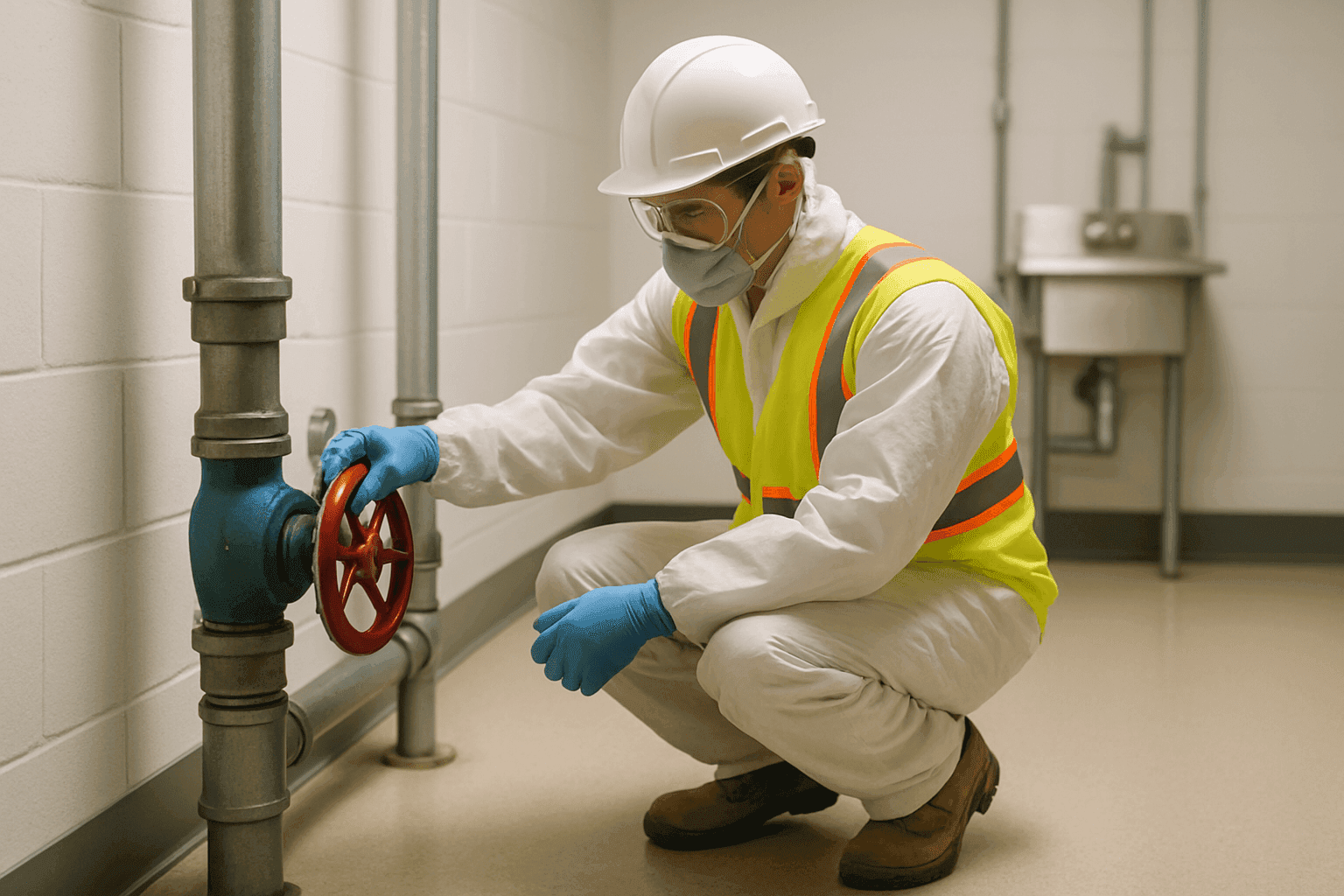
When water is gushing or a toilet is flooding, seconds feel like minutes. Your mind races. What should you do? Who do you call? At Wilson Plumbing, we know these moments—at home or in business—are stressful. Acting quickly (and safely) is the difference between a minor headache and a major disaster.
This checklist is your lifeline for those critical first moments. Use it to take control, protect your property, and keep everyone safe until the pros arrive.
Recognizing a Plumbing Emergency 🚨
Some plumbing issues can wait. Others can’t. Here’s how to spot a true emergency:
- Burst pipes: Water spraying, pooling, or flooding. Immediate risk of property and structural damage.
- Major leaks: Persistent dripping or flowing from pipes, ceilings, or fixtures. Hidden leaks can ruin floors and walls.
- Overflowing toilets: Water spilling onto the floor, fast. Brings health risks and can damage flooring.
- Gas leaks: Smell of rotten eggs, hissing sounds near gas lines, or sudden dizziness. Hazardous—evacuate immediately.
- Sewer backups: Foul odors, gurgling drains, or water backing up in sinks and tubs. Health and safety red flags.
Signs to watch for in homes: Sudden drops in water pressure, unexplained puddles, or damp spots on walls and ceilings.
Warning signals in businesses: Water near electrical panels, multiple drains backing up, or loss of hot water for critical operations.
Safety risk: Fast-moving water and gas can cause slip hazards, electrical shock, fire, or even ceiling collapse. Don’t ignore these signs.
Immediate Steps to Take
When you face a plumbing emergency, every minute counts. Here’s your action plan:
1. Turn Off the Water (and Gas, if needed)
- Find the main water shutoff: Usually in the basement, garage, or outside near the foundation. Turn the valve clockwise to stop water flow.
- For gas leaks: If you smell gas, don’t touch switches or use electrical devices. Open windows, get everyone out, and shut off the gas at the main valve (usually a lever near the meter).
- Individual fixtures: If only one sink or toilet is leaking, use the small shutoff valve nearby.
2. Contain Leaks and Spills
- Buckets and towels: Place under drips or active leaks to catch water.
- Move valuables: Get electronics, furniture, and rugs out of harm’s way.
- Turn off appliances: Unplug devices near wet areas—water and electricity don’t mix.
3. Mitigate Electrical Hazards ⚡
- Water near outlets or wires? Shut off power at the main breaker if it’s safe.
- Never step in standing water if the power might be on—call for help instead.
4. Document the Damage
- Take quick photos or videos for insurance purposes.
- Make note of where the water started and how quickly it spread.
What NOT to Do
When panic sets in, avoid these common mistakes:
- Don’t use chemical drain cleaners: They can damage pipes and cause dangerous reactions, especially if water is already present.
- Avoid DIY gas line fixes: Gas is unpredictable and regulated by strict safety codes.
- Don’t ignore electrical dangers: Water can travel through walls and floors—don’t try to “tough it out.”
- Do not remove or dismantle pipes: You could make the leak worse, increase repair costs, or void insurance coverage.
- Skip the “quick fix” videos: Online hacks rarely solve emergencies and sometimes violate building codes.
When to Call the Professionals
Some issues need immediate attention from a licensed plumber. Here’s how to know when to pick up the phone:
- You can’t stop the water (or gas): Valve stuck, water still flowing, or gas leaking.
- Flooding is spreading: Water won’t stop at the towels or buckets.
- Sewer smells or backups: These are health hazards.
- No hot water in critical settings: Schools, medical offices, and restaurants can’t operate without reliable hot water.
- Unusual noises: Banging, hissing, or gurgling from pipes or water heaters.
What to Tell the Plumber
Have this info ready when you call Wilson Plumbing:
- Your address and best phone number.
- Where the shutoff valves are (if you know).
- What happened, when, and where you see water (or smell gas).
- Any steps you’ve already taken.
Quick Safety Checklist
- [ ] Shut off water at the main or fixture valve.
- [ ] Evacuate if you suspect a gas leak.
- [ ] Move valuables and unplug electronics.
- [ ] Use buckets/towels to contain leaks.
- [ ] Never mix water and electricity.
- [ ] Call Wilson Plumbing for emergency plumbing.
DIY vs. Call a Pro
Some minor clogs or drips can be handled with a plunger or by tightening a loose fitting. But for anything involving:
- Major leaks or flooding
- Gas lines
- Sewer backups
- Water heater malfunctions
- Electrical risk
Call a professional. Plumbing codes (referenced by the International Association of Plumbing and Mechanical Officials) are designed to keep you safe. Unlicensed repairs can void warranties and even cause harm.
What Pros Do On Arrival
When Wilson Plumbing’s team arrives, here’s what you can expect:
- Fast assessment of the situation.
- Locating and shutting off water or gas (if not already done).
- Leak detection using professional tools.
- Safe containment and cleanup of water.
- Emergency repairs to stop further damage.
- Recommendations for permanent solutions—Water Heater Repair, pipe replacement, or drain cleaning as needed.
We’ll also check for hidden damage behind walls or under floors, using methods that align with industry codes and safety guidelines.
Prevention & Maintenance
Many plumbing emergencies are preventable. Regular maintenance saves stress and money:
- Schedule annual inspections for water heaters, sump pumps, and pipes.
- Install water alarms in basements and near water heaters.
- Have backflow testing done to prevent contaminated water.
- Insulate pipes before freezing weather.
- Only flush toilet paper—never wipes or sanitary products.
For businesses, routine checks of bathrooms, kitchens, and mechanical rooms are essential.
Costs & Time Factors
Every emergency is different. Here’s what affects the process:
- Severity of the leak: Small leaks are faster to fix than burst pipes or sewer backups.
- Time of day: Night or weekend emergencies may take longer to respond to.
- Access: Hidden leaks behind walls or under floors can add time.
- Parts required: Some repairs need special parts not kept in every truck.
While it’s tough to predict exact costs, acting quickly and calling professionals right away will always save money and hassle in the long run.
When It’s an Emergency
If you’re unsure, remember: If water (or gas) is escaping rapidly, causing damage, or creating a safety risk, it’s an emergency.
Not sure if it’s urgent? You’re never bothering us. Wilson Plumbing is ready to help—24/7, every day of the year.
FAQ
What if I can’t find my main shutoff?
Look near the perimeter of your house, basement, or utility closet. In commercial buildings, ask your facility manager. Still can’t find it? Tell the plumber when you call.
Can I use my water heater if there’s a leak elsewhere?
No. Turn off the main water and call for Water Heater Repair near you. Using the system could make things worse.
Is it safe to use the bathroom during a sewer backup?
No. Avoid using any plumbing fixtures until the issue is resolved to prevent contamination and further backup.
Are emergency plumbing services available for businesses after hours?
Absolutely. Wilson Plumbing responds to both residential and commercial emergencies at any hour.
Local/Seasonal Considerations 🌧️
In colder months, frozen pipes can burst without warning. Before winter, insulate exposed pipes and know where your main shutoff is. During heavy rains, sump pump failures and sewer line backups are more common—test your systems every season.
For businesses, schedule routine checks before peak operation times or seasonal rushes.
When plumbing trouble strikes, don’t wait. Keep this checklist handy and let Wilson Plumbing handle the rest.
Call Wilson Plumbing now — or reach us anytime at 877-657-7531 .