How to Prevent Costly Water Damage: Plumbing Maintenance for Every Season
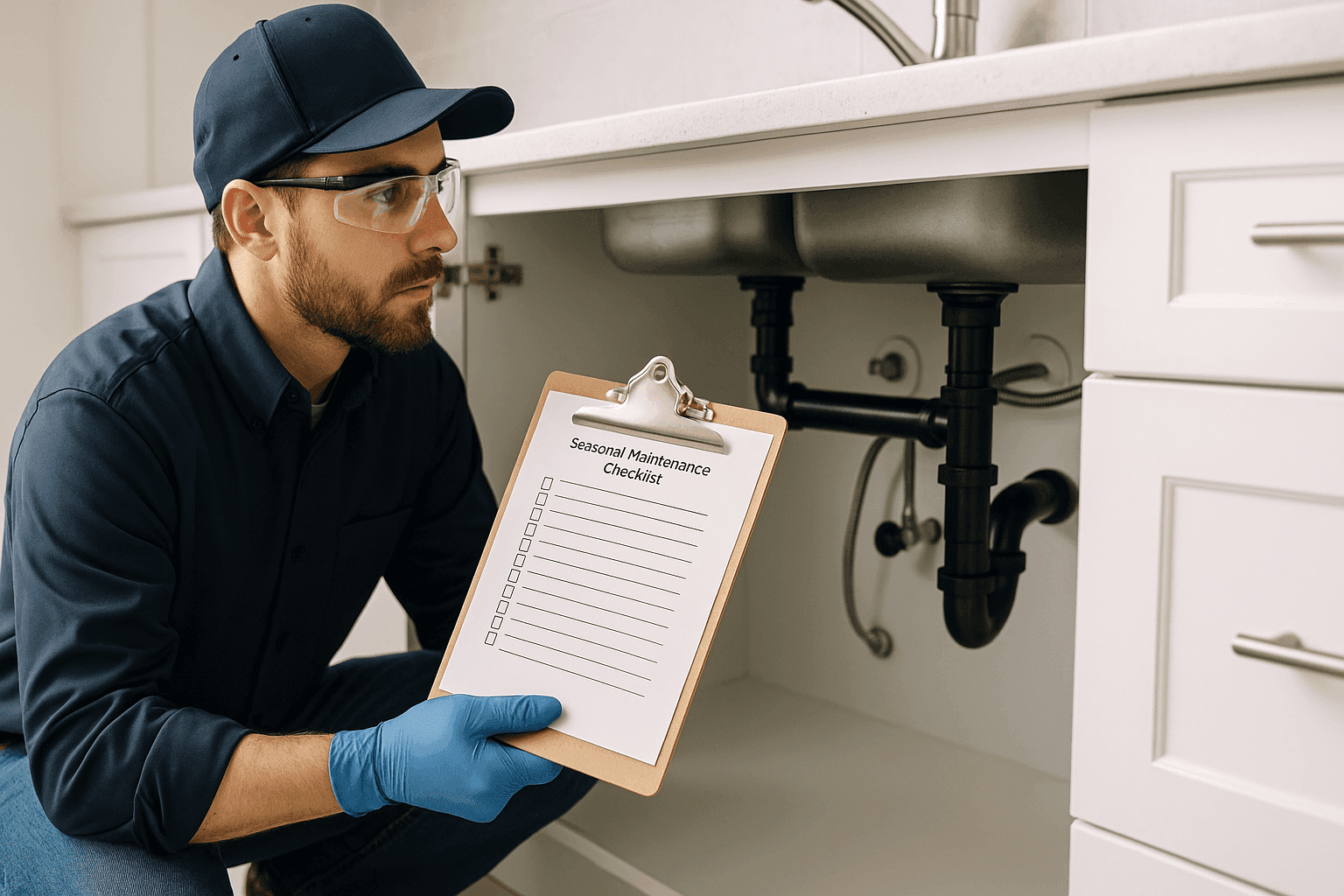
When a pipe bursts, it’s never at a good time. Whether you run a busy café or manage a household, water damage can strike fast and hard—ruining floors, walls, and more in just minutes. At Wilson Plumbing, we know the fallout: lost business days, expensive repairs, and major stress.
But here’s the good news. Most costly water damage is preventable. With some attention each season, you can keep emergencies at bay and keep your plumbing running like clockwork.
Why Plumbing Maintenance Matters 🛠️
Water damage is one of the leading reasons for property insurance claims in North America. According to the Insurance Information Institute, water damage and freezing account for roughly 1 in 5 home insurance claims annually. For business owners, even a small leak can mean downtime, lost customers, or the need for emergency plumbing services at the worst possible hour.
Here’s what’s at risk if plumbing is ignored:
- Structural damage to walls, floors, and foundations.
- Mold growth, which can affect air quality and health.
- Ruined equipment or inventory for businesses.
- Increased utility bills from undetected leaks.
- Unwelcome surprises like sewer backups or failing water heaters.
Plumbing systems are like the arteries of your property—keep them clear and strong, and you’ll avoid most headaches down the line.
Seasonal Plumbing Checklist
Every season brings its own challenges. Here’s how to stay ahead, whether you’re a homeowner or running a commercial property.
Spring: Thaw Out and Tune Up
Winter can be tough on pipes, especially if temperatures dropped below freezing. As soon as spring arrives:
- Inspect for Cracked or Leaking Pipes: Look under sinks and in basements for water spots or corrosion.
- Test Your Sump Pump: Pour a bucket of water into the pit. The pump should kick on and remove the water quickly. If not, schedule a repair.
- Check Fixtures and Faucets: Tighten any loose handles and check for drips.
- Clear Gutters and Downspouts: Make sure water flows away from your foundation.
Summer: Focus on Outdoor and Hot Weather Risks
Summer’s heat can dry out plumbing seals and put extra strain on outdoor systems.
- Check Outdoor Faucets and Hoses: Look for leaks or reduced water pressure.
- Inspect Irrigation Systems: Replace broken sprinkler heads and flush the system.
- Flush Your Water Heater: Sediment builds up faster in warm weather. Draining a few gallons helps extend its life.
- Monitor for Higher Usage: Large gatherings or commercial rushes? Keep an eye on slow drains and unusual odors.
Fall: Insulate and Prepare for the Cold
Don’t let a cold snap catch you off guard.
- Insulate Exposed Pipes: Use foam sleeves or insulating tape, especially in crawl spaces or along exterior walls.
- Test Backflow Prevention Devices: Essential for commercial kitchens and businesses—schedule backflow testing if due.
- Drain Outdoor Plumbing: Disconnect hoses and shut off external water lines.
- Check Sump Pump Battery Backup: Power outages are more common in stormy seasons.
Winter: Defend Against Freezing and Breakdowns
Frozen pipes are a leading cause of emergency plumbing calls in winter.
- Keep Heat On: Even in unused spaces, maintain at least 55°F (13°C).
- Open Cabinet Doors: Let warm air circulate around pipes under sinks.
- Monitor Boilers and Heating Systems: Have a professional inspect heating and gas safety systems before the coldest months.
- Know Your Main Shutoff Valve: In case of a burst, you’ll need to act fast.
DIY vs. Professional Maintenance 👷
Some tasks are safe for handy homeowners or business managers. Others require a licensed plumber with the right tools and training.
Safe for DIY:
- Tightening loose fixtures.
- Cleaning faucet aerators.
- Insulating pipes with store-bought sleeves.
- Testing sump pumps with a bucket of water.
Call a Pro For:
- Water Heater Repair or replacement.
- Sewer Line Inspection, especially if you notice slow drains or gurgling toilets.
- Gas Safety Checks—never risk handling gas lines on your own.
- Backflow Testing, which is required by many local codes.
Warning Signs That Need Immediate Help:
- Sudden spike in water bills.
- Persistent low water pressure.
- Sounds of running water with no visible leak.
- Discolored water or foul odors from taps or drains.
If in doubt, don’t wait—emergency plumbing is always better caught early.
What Licensed Plumbers Do on Arrival
When you call for Water Heater Repair near you or any emergency plumbing, here's what you can expect:
- A thorough inspection of visible and hidden piping.
- Advanced leak detection using thermal imaging or acoustic sensors.
- Pressure testing to find weaknesses before they turn into major leaks.
- Code-compliant repairs or installations (referencing local plumbing codes, such as the IPC or UPC).
- Advice on long-term solutions, like upgrading fixtures or repiping older systems.
For businesses, plumbers also check commercial-grade equipment, test for backflow risk, and ensure compliance with health and safety rules.
Prevention & Maintenance: A Year-Round Approach
Think of plumbing maintenance like routine car care—it’s far less expensive than an emergency breakdown. Here are some tips for both homes and businesses:
- Regularly Check Under Sinks and Around Appliances: Look for moisture, rust, or water stains.
- Schedule Annual Inspections: Licensed plumbers can spot issues you might miss, and test critical systems like gas lines and sump pumps.
- Install Water Leak Detectors: Especially helpful in basements, boiler rooms, or near water heaters.
- Educate Staff or Family: Make sure everyone knows where the main shutoff valve is, and how to spot early warning signs.
- Replace Old Hoses and Washers: Especially on washing machines, dishwashers, and ice makers.
Costs & Time Factors
How much does maintenance save? While it’s hard to put an exact number on peace of mind, the Insurance Institute for Business & Home Safety notes that preventative maintenance can reduce the risk of water damage by up to 50%.
- Annual Plumbing Inspection: Usually takes 1–2 hours.
- Water Heater Maintenance: 30–60 minutes.
- Sump Pump Testing: 20–30 minutes.
- Emergency Plumbing Response: Faster than waiting for disaster cleanup.
Repairs for burst pipes or major leaks can run into the thousands and take days or weeks to complete. A little time each season can save you money and hassle.
When It’s an Emergency 🚨
Not every leak is a disaster, but some call for immediate action:
- Major Flooding: Shut off the main water valve. Call for emergency plumbing.
- Gas or Sewer Smell: Evacuate the area and contact both your utility company and a licensed plumber.
- No Hot Water in Winter: For businesses like restaurants or care facilities, this can halt operations. Don’t delay repairs.
Always keep our number handy for fast help.
Frequently Asked Questions
How often should I schedule professional plumbing maintenance?
Most homes and businesses benefit from a full inspection once a year. If you have older plumbing, or have had issues in the past, twice a year is wise.
Can small leaks really cause major damage?
Absolutely. A drip the size of a pencil tip can waste thousands of gallons a year and lead to mold, rot, or even structural damage.
What’s the best way to prevent frozen pipes?
Insulate pipes in unheated spaces and keep interior temperatures above 55°F (13°C), even when you’re away.
Is preventative maintenance required by law?
Some commercial properties, especially restaurants and healthcare facilities, are required by local codes to have regular backflow testing and gas safety checks. Always check your local regulations.
Local & Seasonal Considerations
No matter where you live or work, climate and building type matter. In cold regions, frozen pipes are the top risk in winter. Coastal or rainy areas face sump pump and sewer backup threats. Urban businesses might need regular backflow testing due to city water pressure changes.
Adjust your maintenance plan to fit your property’s age, usage, and local weather patterns. When in doubt, ask a licensed plumber for advice tailored to your situation.
Water damage doesn’t have to be part of your story. With a little effort each season—and help from trusted professionals when needed—you can keep your plumbing strong, efficient, and ready for anything.
Call Wilson Plumbing now — or reach us anytime at 877-657-7531 .