How to Choose the Right Water Heater for Your Home or Business
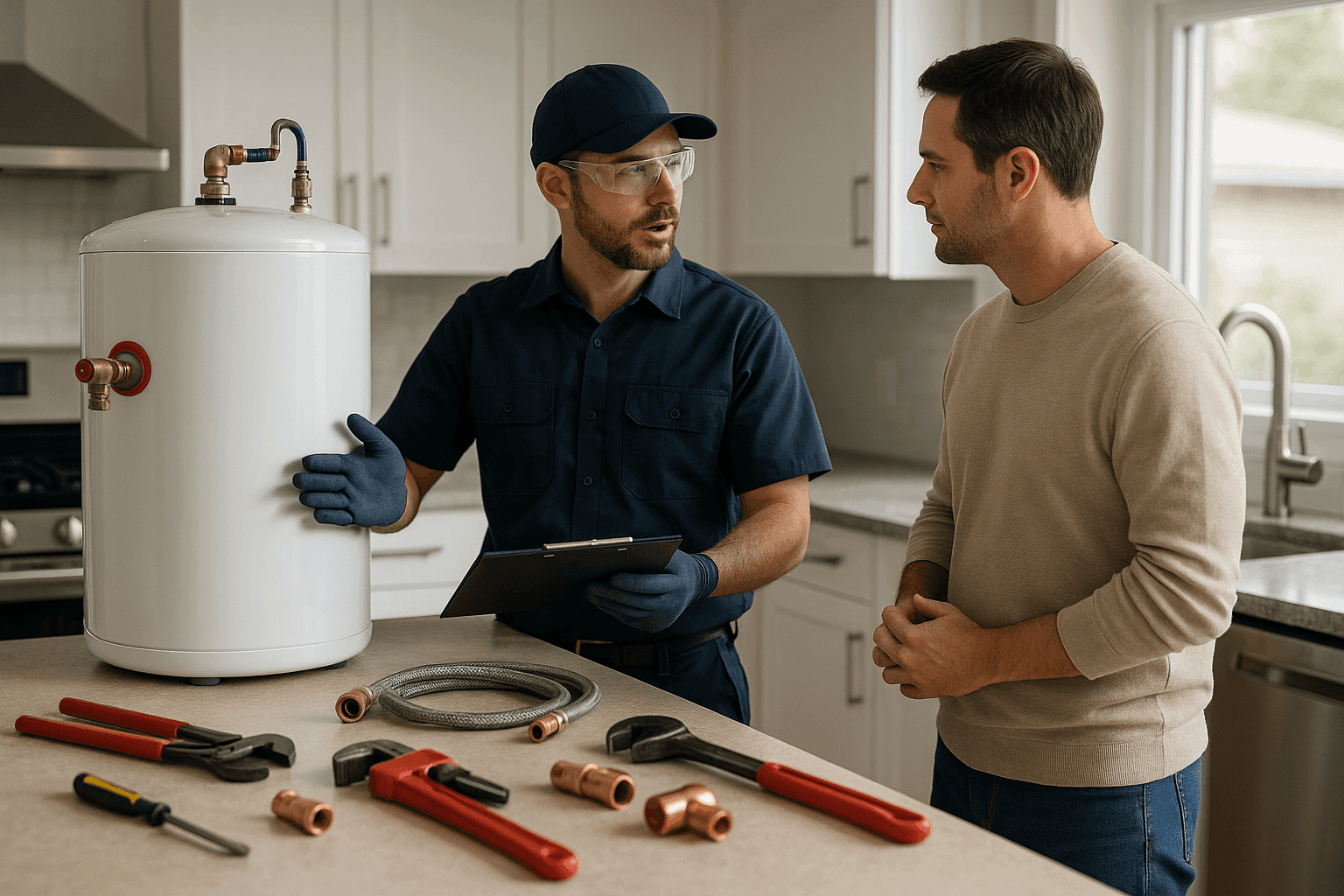
Choosing a new water heater can feel like standing at a fork in the road—with a dozen winding paths and no clear signposts. Whether you’re a homeowner or a small business owner, hot water isn’t a luxury. It’s a necessity. When the shower runs cold or the kitchen tap sputters, decisions suddenly matter.
At Wilson Plumbing, we know how overwhelming it can be to weigh the options, especially when time is ticking or an emergency plumbing situation pops up. Let’s walk through the key steps to finding the right water heater for your needs—without the headaches.
Types of Water Heaters
Water heaters come in more flavors than just “big tank in the basement.” Here’s a breakdown of the main types you’ll encounter, each with its own personality.
Tank Water Heaters
The classic. Like a giant thermos, these store hot water in a large tank—usually 30 to 80 gallons. When you turn on the tap, hot water flows out until the tank empties.
Pros:
- Lower upfront cost
- Simple installation
- Reliable for steady, predictable use
Cons:
- Bulky; takes up space
- Can run out of hot water during heavy use
- Standby heat loss (they keep water hot even when you’re not using it)
Tankless (On-Demand) Water Heaters
Think of these as water heaters with a “just-in-time” delivery system. They heat water instantly as it flows through the unit—no storage tank required.
Pros:
- Endless hot water (within flow rate limits)
- Compact size; mounts on a wall
- Higher energy efficiency—no standby loss
Cons:
- Higher upfront cost
- May need upgrades to gas lines or electrical systems
- Flow rate limits—multiple showers at once can overwhelm some models
Heat Pump Water Heaters
These are the hybrid cars of the water heater world. They move heat from the air or ground into the water tank, using less electricity.
Pros:
- Very energy efficient
- Lower operating costs over time
Cons:
- Higher initial investment
- Needs space and moderate temperatures to work well
Point-of-Use and Specialty Models
For small spaces or specific needs (like a single sink or office breakroom), point-of-use water heaters or solar-powered models can be a smart fit. They’re niche, but sometimes that’s exactly what you need.
Energy Efficiency and Cost Savings ⚡
Energy bills can sneak up on you like a leaky faucet. Choosing an efficient water heater makes a difference you’ll notice every month.
- Look for ENERGY STAR® labels to spot models that meet strict efficiency standards.
- Consider the fuel type—gas, electric, propane, or even solar. Each has its own cost and availability.
- Tankless and heat pump models usually cost less to run, even if they’re pricier upfront.
- Insulate hot water pipes and, if using a tank, the tank itself to reduce heat loss.
According to the U.S. Department of Energy, water heating can account for up to 18% of your utility bill. The right choice pays off year after year.
Sizing Your Water Heater
Size matters. Too small, and you’re stuck with cold showers. Too big, and you’re paying to heat water you never use.
For Homes
- Count bathrooms, bedrooms, and regular users.
- For tank heaters: a family of four usually needs a 50-gallon tank.
- For tankless: check the gallons-per-minute (GPM) rating. Add up the flow rates of appliances you might use simultaneously.
For Businesses
- Consider peak usage hours. A busy café needs more hot water at lunchtime than at closing.
- Talk to your plumber about unique demands—like dishwashers, laundry, or public restrooms.
Pro tip: When in doubt, consult manufacturer sizing charts or the Uniform Plumbing Code for guidance.
Installation Tips
A water heater is more than a plug-and-play appliance. Proper installation is the backbone of safety and performance.
- Location: Make sure there’s enough space for maintenance and airflow.
- Venting: Gas models need proper venting to prevent carbon monoxide risks.
- Upgrades: Older homes may need new gas lines, electrical circuits, or drainage.
- Permits: Check local building codes. Many places require a permit for installation.
A professional plumber will handle these details, but it’s good to know what’s happening behind the scenes.
Maintenance and Troubleshooting 🛠️
Even the best water heater needs a little TLC. Regular upkeep keeps things running smoothly and can prevent surprise breakdowns.
- Flush the tank (for storage heaters) once a year to remove sediment.
- Check the anode rod every few years—it helps prevent tank corrosion.
- Inspect for leaks around fittings and valves.
- Test the temperature-pressure relief valve to ensure safety.
If you hear rumbling, see rusty water, or notice inconsistent temperatures, it’s time to call in a pro. Ignoring small problems can lead to bigger, costlier ones.
Seasonal and Emergency Considerations
Winter brings its own set of challenges. Cold temperatures can push water heaters to their limits, and pipes are more likely to freeze.
- Insulate exposed pipes to prevent freezing and heat loss.
- Check the water heater’s thermostat—setting it to 120°F is usually ideal.
- Have a plan for sudden breakdowns. Know where your shut-off valves are, and keep the number of a reliable emergency plumbing service handy.
If your water heater fails unexpectedly, don’t panic. Quick action can minimize damage and downtime.
Professional Installation Benefits
There’s a reason water heater installation is a job for licensed plumbers. Mistakes can lead to leaks, electrical hazards, or even gas leaks—none of which you want in your home or business.
Benefits of hiring a pro:
- Correct sizing and placement
- Safe connections and venting
- Compliance with building codes
- Warranty protection
DIY might save a little up front, but the risks usually outweigh the rewards.
Common Mistakes to Avoid 🚫
- Choosing the wrong size: Leads to frustration and wasted money.
- Ignoring efficiency: Higher utility bills add up over time.
- Skipping maintenance: Small issues become big repairs.
- Improper installation: Can void warranties and cause safety hazards.
Frequently Asked Questions
How long does a water heater last?
Most tank water heaters last 8–12 years. Tankless models can go 15–20 years with proper care.
What’s the best temperature setting?
120°F is generally safe and efficient. Hotter settings increase scald risk and energy use.
Can I install a water heater myself?
It’s possible, but not recommended. Plumbing codes, gas/electric hookups, and safety concerns make this a job best left to professionals.
How do I know if I need a new water heater?
Watch for signs like rusty water, rumbling noises, leaks, or water that never gets hot enough. Age is also a factor—if yours is over a decade old, it might be time.
Special Considerations for Homes vs. Businesses
Businesses often have higher, more unpredictable hot water needs. Think about peak usage times, multiple restrooms, or kitchen equipment. Commercial-grade heaters or multiple units might be necessary.
For homeowners, lifestyle changes (like a growing family or new appliances) can shift your hot water needs. Reassess every few years.
Ready to Make the Right Choice?
Choosing a water heater isn’t just about today—it’s about comfort, safety, and savings for years to come. If you’re unsure which model fits your needs, or if you need emergency plumbing help, Wilson Plumbing is here to help.
Call Wilson Plumbing now — or reach us anytime at 877-657-7531 .