How to Detect and Prevent Hidden Plumbing Leaks Before They Cause Damage
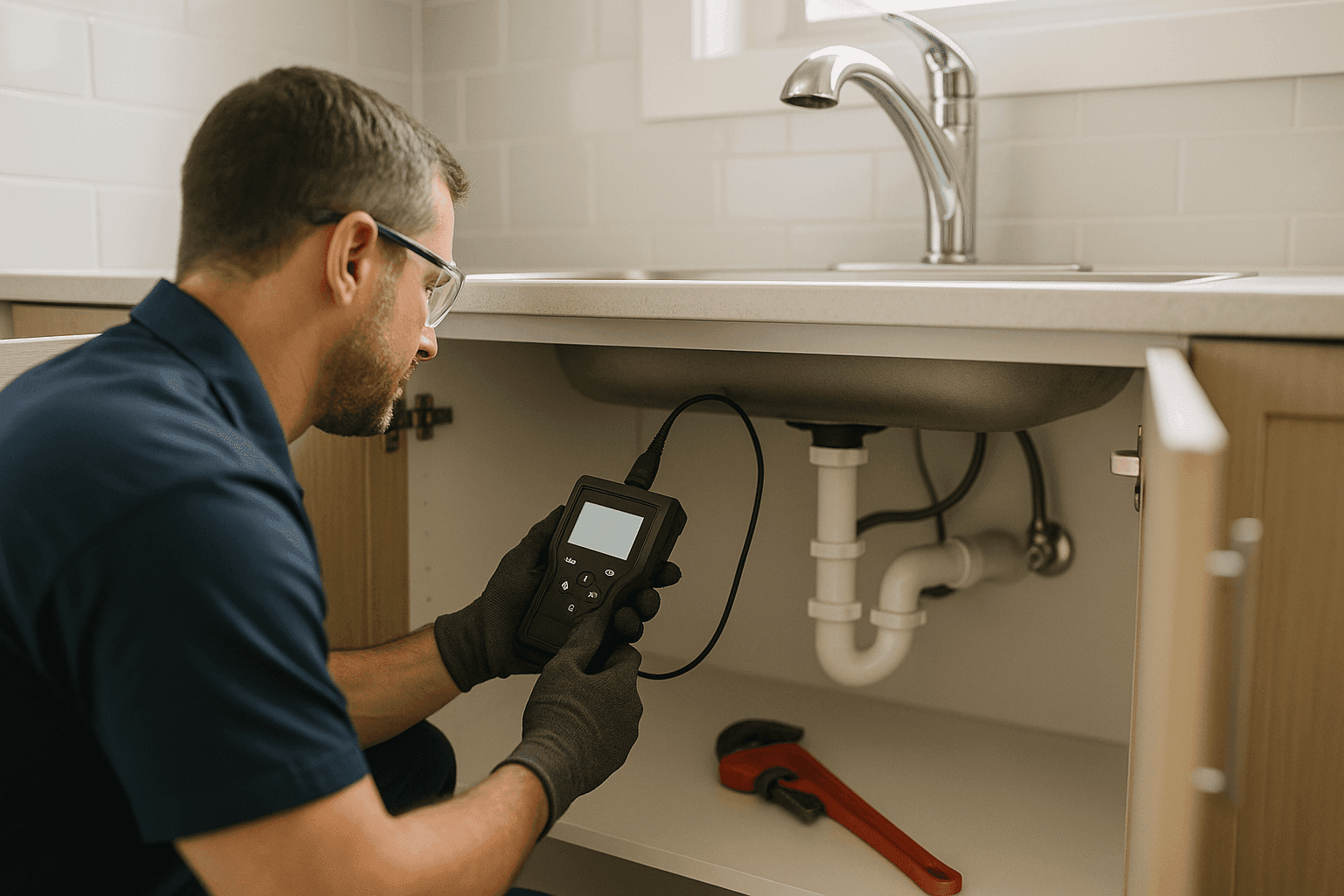
Hidden plumbing leaks are like silent tricksters. They sneak behind walls, under floors, and above ceilings—out of sight, out of mind. Until, suddenly, there’s a stain, a musty smell, or a shockingly high water bill.
At Wilson Plumbing, we know that even a small leak can snowball into big trouble. Early detection and smart prevention are the keys to keeping your property safe, dry, and stress-free.
The Real Problem: Where Do Hidden Leaks Lurk?
Water follows the path of least resistance. So do plumbing leaks. They creep into the tiniest cracks and weakest joints, often hiding in places you rarely check:
- Behind walls and under floors: Pipes run everywhere, and even a pinhole leak can cause major damage over time.
- Ceilings and attics: Leaks from upstairs bathrooms or roof lines can drip down, staining ceilings and creating mold havens.
- Basements and crawl spaces: Damp, dark, and often ignored, these areas are prime real estate for slow leaks.
- Under sinks and around fixtures: Connections can loosen, seals can fail, and slow drips can soak cabinets and subfloors.
Common causes include aging pipes, shifting foundations, poor installation, corrosion, and even tree roots invading underground lines. According to the International Association of Certified Home Inspectors, water damage is among the top causes of property loss—and most of it starts small and hidden.
Quick Safety Checklist 🛑
Before you start poking around, keep safety front and center:
- Turn off electricity to any area that’s wet or damp.
- Use gloves and a mask if you suspect mold.
- Avoid standing water—especially near outlets or appliances.
- If you smell gas or suspect a gas line leak, leave the building and call for emergency plumbing help immediately.
- Don’t open up walls or ceilings without knowing what’s behind them (pipes, wires, etc.).
Early Warning Signs of a Hidden Leak
Hidden leaks rarely announce themselves with a dramatic gush. Instead, they whisper:
- Unexplained spikes in your water bill: If your usage hasn’t changed, but your bill has, something’s leaking.
- Damp, musty odors: A persistent smell, even after cleaning, could mean water is pooling out of sight.
- Mold or mildew growth: Mold loves moisture. If you spot fuzzy patches or dark stains, investigate further.
- Peeling paint or wallpaper: Moisture causes finishes to bubble, peel, or warp.
- Warped floors or stained ceilings: Water can cause wood to swell and drywall to discolor.
- Dripping or hissing sounds: Listen when the house is quiet. Sometimes you’ll hear water where there shouldn’t be any.
If you spot any of these, don’t ignore them. Water damage accelerates fast and can undermine the structure of your home or business.
Modern Leak Detection Methods
Plumbers today have more than just a flashlight and a wrench. Here’s how the pros at Wilson Plumbing track down hidden leaks:
Electronic Leak Sensors
These devices “listen” for the sound of water escaping pipes—even through walls or under floors. They’re sensitive enough to detect tiny leaks before they become disasters.
Thermal Imaging Cameras
Water changes the temperature of surfaces it touches. Thermal cameras reveal cold or damp spots behind walls, pinpointing leaks without the need to tear things apart.
Pressure Testing
By isolating sections of your plumbing and monitoring pressure drops, plumbers can identify leaks that aren’t visible. This method is especially useful for slab leaks or underground pipes.
Moisture Meters
These handy tools measure the amount of moisture in walls, floors, and ceilings. High readings in unexpected places are a red flag for hidden leaks.
Video Pipe Inspection
For drains and sewer lines, small cameras snake through pipes, showing exactly where cracks, roots, or blockages are causing trouble.
DIY vs. Call a Pro
Some leaks are easy to spot and fix—a loose faucet, a dripping shutoff valve. Others? Not so much.
DIY might work if:
- The source is obvious and accessible (like a leaking faucet or under-sink pipe).
- You’re comfortable turning off water and using basic tools.
- The leak is small and hasn’t caused visible damage.
Call a professional plumber if:
- You can’t find the leak, but the signs are there.
- Water is coming from behind walls, ceilings, or floors.
- You notice mold, structural damage, or persistent odors.
- The leak is near electrical wiring, gas lines, or major appliances.
- You need emergency plumbing services—fast.
Remember, some repairs require permits or must meet building codes. The Uniform Plumbing Code and International Plumbing Code set clear standards for safety and installation. Cutting corners can lead to bigger headaches.
What Pros Do On Arrival
When Wilson Plumbing arrives, here’s what you can expect:
- Assessment: We’ll ask about your observations and inspect visible plumbing and affected areas.
- Detection: Using electronic sensors, thermal cameras, or pressure testing, we’ll track down the hidden leak.
- Damage check: We’ll look for water damage, mold, and any risks to your property or safety.
- Repair plan: Once the leak is found, we’ll explain your options—whether that’s tightening a fitting, replacing a section of pipe, or more extensive repairs.
- Cleanup and prevention: After fixing the leak, we’ll advise on drying out the area and preventing future issues.
Our team follows Occupational Safety and Health Administration (OSHA) guidelines for safe work practices, especially when dealing with mold, electrical hazards, or confined spaces.
Prevention & Maintenance: Keep Leaks at Bay 🛠️
An ounce of prevention is worth a pound of repair bills. Here’s how to protect your property:
Regular Inspections
- Check under sinks, around toilets, and behind appliances for moisture.
- Inspect exposed pipes in basements, crawl spaces, and utility rooms.
- Look for rust, corrosion, or mineral buildup on pipes and fittings.
Fixture Upkeep
- Replace worn washers and seals in faucets and toilets.
- Tighten loose pipe connections.
- Clean out drains and traps to avoid backups and pressure on pipes.
Seasonal Plumbing Checks
- Before winter, insulate exposed pipes to prevent freezing and bursting.
- After storms or heavy rain, check basements and crawl spaces for dampness.
- In spring, inspect outdoor spigots and irrigation lines for leaks.
Water Monitoring
- Install a water meter or smart leak detector for real-time usage tracking.
- Set up automatic shut-off valves that activate if a major leak is detected.
Professional Maintenance
- Schedule annual plumbing inspections, especially for older systems.
- Have backflow prevention devices and sump pumps tested regularly.
- Ask about water pressure checks—high pressure can strain pipes and cause leaks.
The Environmental Protection Agency (EPA) recommends fixing household leaks promptly, as even small drips can waste thousands of gallons of water each year.
Costs & Time Factors
Every leak is different. Here’s what can affect the time and cost:
- Location: Leaks behind walls or under slabs take longer to find and fix.
- Extent of damage: Water-damaged drywall, flooring, or insulation may need replacement.
- Pipe material and age: Older or corroded pipes might require more extensive repairs or even repiping.
- Access: Tight spaces or tricky layouts can add time.
Simple fixes (like tightening a connection) can be done in under an hour. Complex leaks may take several hours or even multiple visits if cleanup or reconstruction is needed. While costs vary, acting quickly almost always saves money by preventing bigger repairs down the line.
When It’s an Emergency 🚨
Some leaks can wait a day. Others need attention right now. Call for emergency plumbing if:
- Water is pouring from ceilings, walls, or floors.
- You see sparks, smell burning, or suspect electrical hazards.
- There’s a strong smell of gas.
- Sewage is backing up or flooding your property.
- You can’t shut off the main water supply.
Don’t try to fix major leaks yourself. Shut off water, stay safe, and call Wilson Plumbing for immediate help.
Frequently Asked Questions
How can I tell if my pipes are leaking behind the wall?
Look for stains, bubbling paint, warped drywall, or musty smells. Listen for dripping or hissing sounds when the house is quiet. If in doubt, a professional can use thermal imaging or moisture meters to confirm.
Are hidden leaks covered by insurance?
It depends on your policy. Many insurers cover sudden, accidental leaks but not damage from long-term neglect. Check your policy and fix leaks promptly to avoid denied claims.
Can small leaks really cause big problems?
Absolutely. Even a slow drip can lead to mold, structural rot, and high water bills over time. The longer you wait, the worse (and more expensive) the damage can become.
What’s the best way to prevent hidden leaks?
Regular inspections, prompt repairs, and annual professional checkups are key. Upgrade old pipes, install leak detectors, and maintain healthy water pressure.
Special Considerations for Leak Detection and Repair
- Older properties: Pipes may be more prone to corrosion, shifting, or root intrusion.
- Commercial buildings: Complex plumbing systems mean leaks can hide in unexpected places—regular inspections are critical.
- High water pressure: While it feels great in the shower, too much pressure stresses pipes and joints.
- Water quality: Hard water can accelerate pipe wear; consider filtration systems if you notice scale buildup.
- Code compliance: Always follow national plumbing codes and manufacturer instructions for repairs and installations.
Take Action—Protect Your Property Today
Hidden plumbing leaks don’t wait for a convenient time. Stay vigilant, schedule routine checks, and don’t hesitate to call for help when the signs point to trouble.
Call Wilson Plumbing now — or reach us anytime at 877-657-7531 .