Emergency Plumbing Guide: What to Do Before Help Arrives
When water’s gushing and nerves are frayed, the last thing you want is guesswork. A plumbing emergency can strike like a thunderclap—fast, loud, and impossible to ignore. Whether you’re a homeowner or running a busy office, knowing what to do in those first frantic minutes matters.
At Wilson Plumbing, we’ve seen it all. Burst pipes in the dead of winter, silent leaks soaking walls, weird smells hinting at sewer line trouble. This guide arms you with the essentials: what to do, what not to touch, and how to keep your cool until help arrives.
Recognizing a Plumbing Emergency 🚨
Some plumbing problems are loud and messy. Others hide in shadows. But all demand quick thinking. Here are the most common emergencies we respond to:
- Burst Pipes: Water pouring from walls or ceilings. Rapid flooding.
- Sewage Backups: Foul odors, slow drains, toilets bubbling or overflowing.
- Gas Leaks: Smell of rotten eggs, hissing sounds, dizziness or nausea.
- Major Leaks: Sudden puddles, soaked floors, walls that feel damp.
- No Hot Water: Can signal water heater failure—especially risky in winter.
- Flooded Basements: Sump pump malfunctions or heavy storms overwhelm drainage.
- Frozen Pipes: In cold regions, pipes can crack and burst when temperatures plunge.
If your gut says, “This can’t wait,” you’re probably right. Sometimes the signs are subtle—a faint musty smell, a stain creeping up the wall. Other times, it’s as clear as water underfoot.
Immediate Steps to Take
When disaster hits, seconds count. Here’s your quick-action plan:
- Stay Calm. Take a deep breath. Panic slows you down.
- Assess for Danger. Smell gas? Hear hissing? Evacuate immediately.
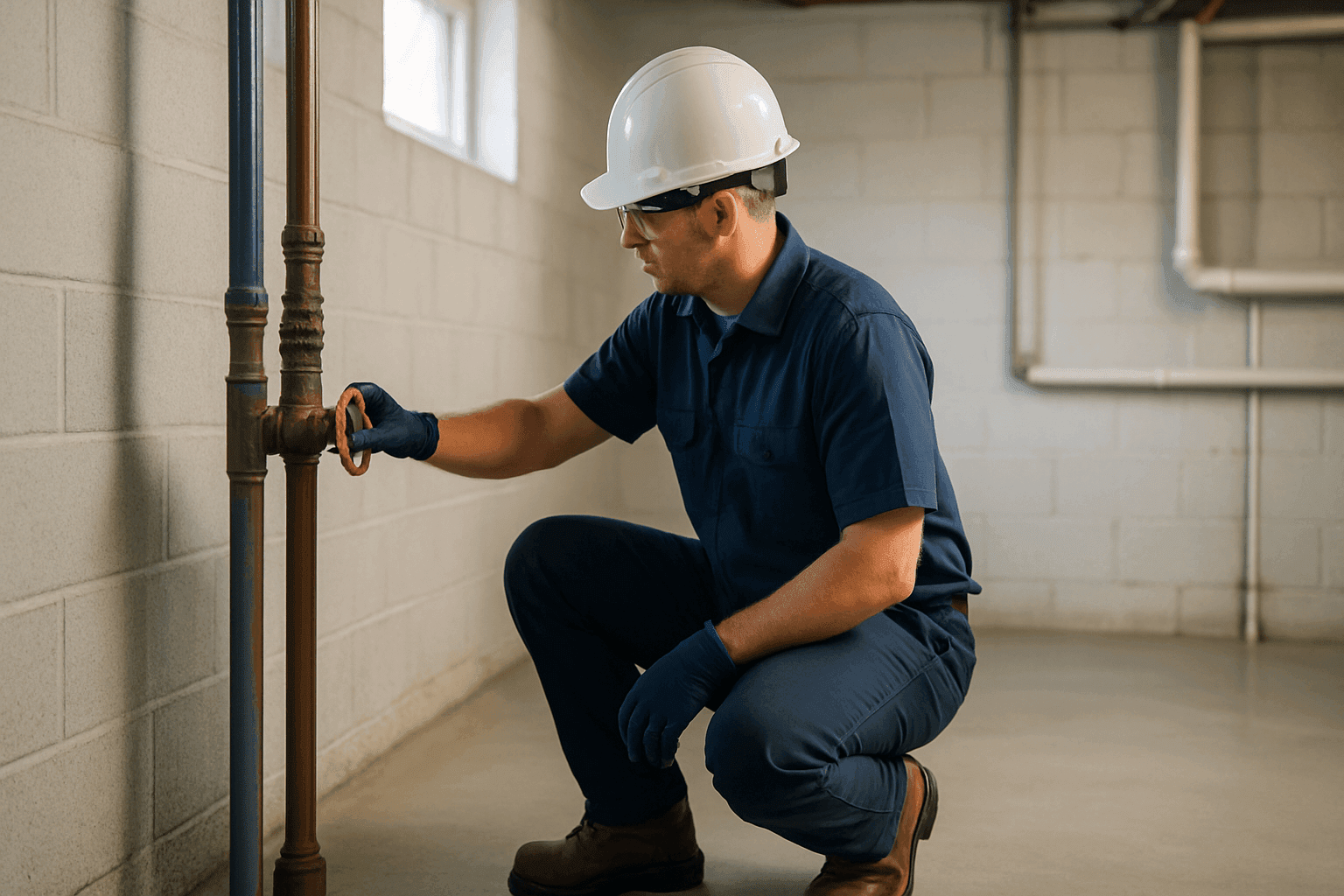
- Shut Off Water. Know where your main valve is? Turn it off clockwise.
- Kill the Power. If water is near electrical outlets, shut off the main breaker—only if safe.
- Move Valuables. Protect electronics, important papers, and furniture from water.
- Contain the Leak. Buckets, towels, even pots—catch water where you can.
- Open Drains and Faucets. Let trapped water escape to reduce pressure.
- Call for Help. Contact Wilson Plumbing for emergency plumbing support.
Every home and building is different. Don’t worry if you can’t do all these steps right away. Focus on safety first.
How to Shut Off Water and Gas Safely
The main shut-off valves are your lifeline. Here’s how to find and use them:
Main Water Shut-Off
- Basements: Usually near the front foundation wall.
- Crawl Spaces: Look for pipes entering from the street.
- Condos/Apartments: Sometimes in utility closets or service rooms.
- Turn the handle or wheel clockwise (righty-tighty).
Gas Shut-Off
- Locate the gas meter (often outside or in a mechanical room).
- Use a wrench to turn the valve 90 degrees. The handle should be perpendicular to the pipe.
- If you smell gas, leave the building immediately before touching anything.
Pro Tip: Label shut-off valves in advance. Teach family or staff where they are. In a crisis, you don’t want to fumble around in the dark.
Reference: National Fire Protection Association and local building codes.
Preventing Further Damage
Sometimes, you can’t stop the water or gas flow entirely. But you can slow the chaos.
- Block off flooded rooms. Close doors to keep water from spreading.
- Lay down towels or blankets. They’ll soak up water and keep it from running under walls.
- Move to higher ground. Stack valuable items on shelves or counters.
- Unplug electronics if it’s safe. Water and electricity are a dangerous mix.
- Document the damage. Take photos for insurance—before clean-up starts.
If you’re dealing with sewage, avoid skin contact and keep pets and children away. Bacteria and mold can cause serious health problems.
When to Call a Professional
DIY fixes have their place—tightening a loose faucet, plunging a slow drain. But emergencies are different. Here’s when to pick up the phone:
- You can’t stop the leak at the source.
- Sewage is backing up.
- There’s a gas odor or you suspect a gas leak.
- Water is flooding electrical outlets or appliances.
- Pipes are frozen and you can’t thaw them safely.
- You’re unsure about any step.
Remember, certified plumbers like those at Wilson Plumbing have the training, tools, and insurance to handle dangerous situations. Don’t risk your safety—or your property—by guessing.
Quick Safety Checklist ✅
- Is everyone safe and accounted for?
- Do you smell gas? Evacuate and call emergency services.
- Is the main water valve off?
- Is power off in wet areas?
- Have you called for professional help?
- Have you protected valuables and important documents?
- Are you avoiding standing water with electrical risks?
- Have you documented the scene (photos/videos)?
Keep this checklist handy—in a drawer, on your phone, or posted in the utility room.
Temporary Fixes: What You Can (and Can’t) Do
Some issues let you buy a little time:
- Small leaks: Tape or clamp over the crack until help arrives.
- Overflowing toilets: Shut off the supply valve behind the toilet. Plunge gently.
- Slow drains: Remove debris with a gloved hand; avoid chemical drain cleaners.
- Dripping pipes: Place a bucket underneath and towel-wrap the area.
Never:
- Weld, solder, or use heat on pipes without training.
- Attempt DIY gas line repairs.
- Enter standing water if there’s any chance of electrical contact.
What Pros Do On Arrival
When Wilson Plumbing arrives, we don’t just fix the surface problem. Here’s what to expect:
- Assessment: We inspect the source—pipes, valves, fixtures, appliances.
- Containment: Stop leaks and prevent further water or gas escape.
- Diagnosis: Use leak detection equipment, cameras for sewer line inspection, or gas sniffers.
- Repair: Temporary or permanent fix, depending on severity and parts.
- Safety Check: Ensure all systems are secure before leaving.
- Advice: Recommendations for follow-up repairs, Backflow Testing near you, or preventative maintenance.
Our team follows local codes and safety guidelines—always.
Prevention & Maintenance
The best emergency is the one that never happens. Here’s how to lower your risk:
- Know your shut-off valves. Label them clearly.
- Schedule regular plumbing inspections.
- Backflow Testing near you ensures clean water and protects against contamination.
- Insulate pipes in cold climates to prevent freezing.
- Maintain sump pumps—test before storm season.
- Check water heaters for rust, leaks, or odd noises.
- Install water leak detectors in basements and laundry rooms.
- Don’t ignore slow drains, odd smells, or unexplained dampness.
A small drip today can become tomorrow’s flood.
Costs & Time Factors
Plumbing emergencies come at a price—not just in stress, but in time and money. Here’s what can affect the bill:
- Severity: Burst main? Bigger job. Small leak? Quicker fix.
- Timing: Nights, weekends, and holidays often mean after-hours rates.
- Parts and labor: Special parts or extensive repairs can extend the timeline.
- Location: Hard-to-reach pipes or fixtures increase complexity.
Most emergencies are resolved within hours, but major water or sewer line repairs may take longer. Always ask your plumber for an estimated timeline up front.
When It’s an Emergency
Ask yourself:
- Is water or gas flowing uncontrollably?
- Could the problem cause injury, illness, or property damage right now?
- Is there a risk of electrical shock?
- Are you unable to stop the issue or unsure what’s happening?
If you answer yes to any, it’s time to call Wilson Plumbing.
Frequently Asked Questions
What should I do if I smell gas?
Leave the building immediately—don’t use lights or phones inside. Call emergency services and your gas provider from a safe location. Then notify us for gas line inspection.
How do I find my main water shut-off?
Look where the main water line enters your property—often a basement, crawl space, or utility room. It’s usually a round wheel or lever. If you’re unsure, ask us during your next inspection.
Can I use duct tape on a leaking pipe?
It’s a temporary fix at best. Duct tape can slow a small drip, but it won’t stop a pressurized leak for long. Use it only while waiting for the plumber.
What’s the risk with sewage backups?
Sewage contains harmful bacteria and can cause serious illness. Don’t touch or try to clean it yourself—keep people and pets clear until professionals arrive.
Local & Seasonal Considerations 🌧️
Every region faces unique plumbing threats:
- Cold climates: Frozen pipes can crack and burst. Let faucets drip in deep winter. Insulate exposed lines.
- Storm-prone areas: Heavy rainfall can overwhelm sump pumps and back up sewer lines. Test pumps ahead of storm season.
- Older homes: Outdated pipes are more prone to leaks and corrosion—consider repiping if you’ve had repeated issues.
- Commercial buildings: Larger water supply lines mean bigger potential floods. Know your building’s emergency protocols.
No matter where you live or work, fast action and expert help make the difference.
Emergencies don’t wait for business hours. If you’re facing a plumbing crisis—day or night—Call Wilson Plumbing now — or reach us anytime at 877-657-7531 .