Emergency Plumbing Guide: Steps to Take Before the Pros Arrive
When water isn't where it's supposed to be, panic can set in fast. A burst pipe at midnight. A flooded basement after a storm. That icy moment when you realize something’s gone wrong—and you need help.
Wilson Plumbing has handled every sort of emergency plumbing call imaginable, for both homes and businesses. We know these moments are stressful, and the right first steps can make all the difference. This guide walks you through what to do before the pros arrive—calmly, safely, and confidently.
Common Emergency Plumbing Scenarios
Plumbing emergencies don’t wait for business hours. They barge in—holidays, weekends, storms, or right before your guests arrive. Here are the most common situations we see:
- Burst pipes: Sudden, gushing leaks where water shouldn’t be. Freezing weather is a classic culprit.
- Flooded basements: Sump pump failures, backed-up drains, or heavy rains can leave you ankle-deep—fast.
- Sewer line backups: Water or sewage coming up in sinks, tubs, or floor drains. Unpleasant, but urgent.
- Major leaks: Under sinks, behind walls, or dripping from ceilings. Sometimes slow, sometimes a cascade.
- Gas leaks: Smells like rotten eggs? That’s a warning sign—leave the area immediately.
- Water heater failures: Leaks, no hot water, or strange noises from your tank.
- Toilet overflows: Especially risky in commercial restrooms or busy households.
Each situation is different. But the first moments are critical.
Quick Safety Checklist 🛑
Before you do anything else, safety comes first. Think of it like putting on your seatbelt before starting the car. Here’s a rapid-fire checklist:
- Shut off the water supply.
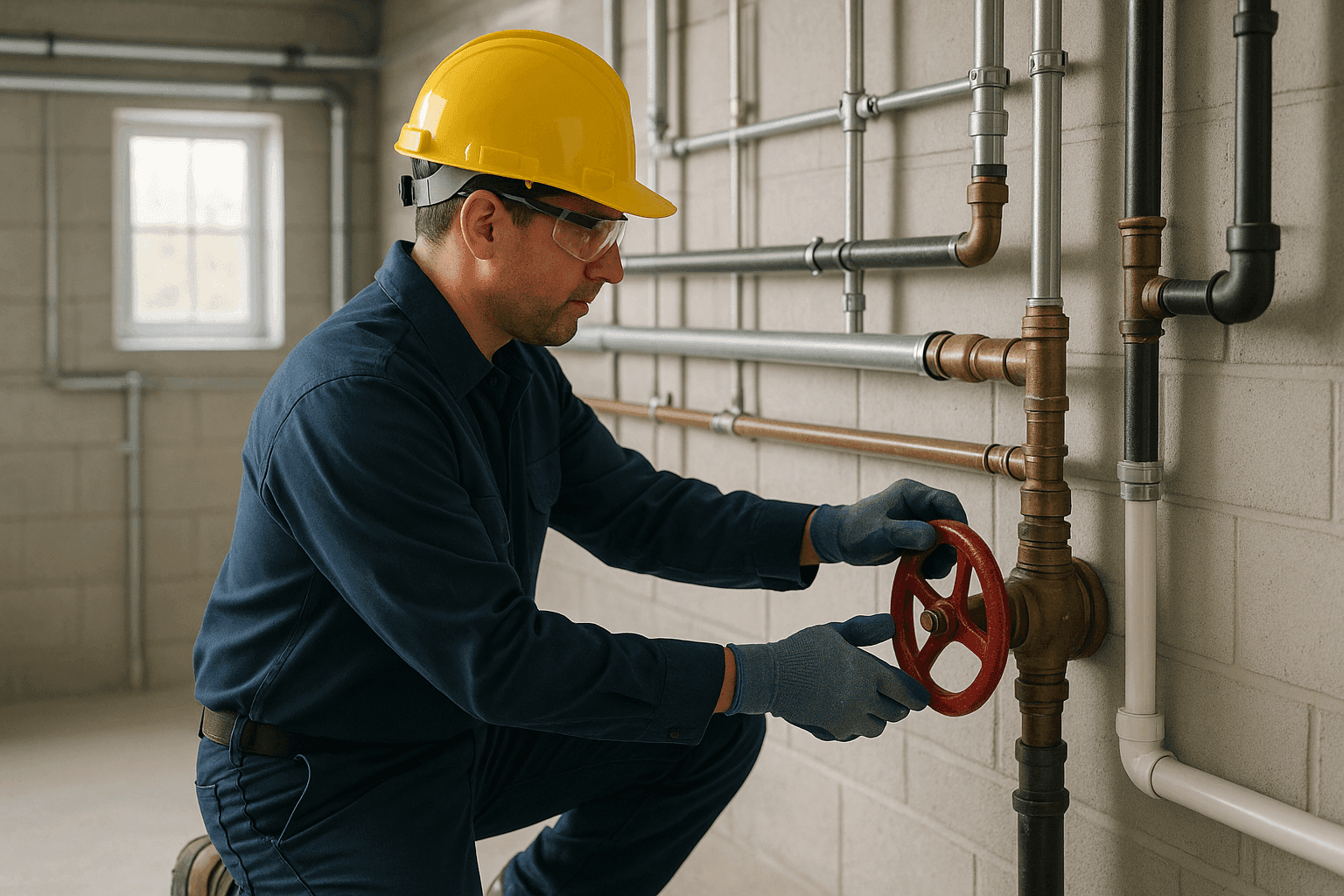
- Find the main shut-off valve (usually in the basement, crawl space, or outside the building).
- Turn clockwise to close. If you can’t find it, turn off the closest fixture valve.
- Switch off electricity if water is near outlets or appliances.
- Water and electricity are a dangerous mix. If you see water near electrical panels or cords, stay away and call the utility company.
- Avoid contact with standing water.
- Especially if it’s near electrical equipment or you suspect it’s from a sewer line.
- Turn off the gas supply if you smell gas.
- Don’t flip switches or use your phone indoors. Leave immediately and call your gas provider from a safe location.
- Ventilate the area.
- Open windows and doors if safe to do so, especially in case of gas or chemical odors.
Print this checklist and keep it handy near your main shut-off valves for peace of mind.
Immediate Steps to Take
You’ve shut off the water. Now what? Think of this as triage for your building.
Stop the Source
- For burst pipes: Use towels, buckets, or even pots to contain water.
- For leaking appliances: Unplug if possible and safe.
- For toilets: Shut off the valve behind the toilet tank.
Protect Valuables
- Move furniture, electronics, and important papers out of harm’s way.
- Lay down towels or plastic sheeting to slow water damage.
Document the Damage
- Take photos of affected areas. This helps with insurance claims and speeds up repair planning.
Call for Emergency Plumbing Help
- Once the immediate danger is handled, call Wilson Plumbing for emergency plumbing assistance. Have your address and a description of the problem ready.
When to DIY vs. Call a Pro
Some minor issues—think a slow drain or a dripping faucet—can be handled with a plunger or wrench. But in a true emergency, it’s like trying to put out a forest fire with a cup of water.
Call a professional right away if:
- There’s uncontrolled flooding
- You suspect a gas leak
- Sewage is backing up
- Multiple fixtures are affected at once
- Water keeps flowing even after shutting off local valves
Backflow Testing near you, major leaks, or gas line issues always require licensed, experienced plumbers. Attempting DIY fixes can make the problem worse—or dangerous.
What the Pros Do on Arrival
When Wilson Plumbing arrives, here’s what happens:
- Assessment & Safety: We check for immediate dangers—electrical, gas, or structural.
- Leak Detection: Using specialized tools, we find the source—even if it's hidden behind walls or underground.
- Shut-off Confirmation: We ensure all water and gas lines are safely isolated before working.
- Damage Control: Quick repairs, such as pipe clamps, temporary caps, or sump pump resets, stop further damage.
- Full Repair Plan: We explain next steps—whether it’s repiping, Backflow Prevention, or Water Heater Installation.
- Cleanup Guidance: We advise on what needs drying, cleaning, or professional restoration.
Our licensed plumbers follow state and local code requirements (see resources: International Plumbing Code, local building authorities) so your home or business stays safe and up to code.
Preventing Future Emergencies
The best emergency is the one that never happens. Here’s how to stack the odds in your favor:
- Annual Inspections: Schedule regular Backflow Testing, Leak Detection, and Water Heater checkups.
- Preventative Maintenance: Clear drains, maintain sump pumps, and check for corrosion or loose fittings.
- Know Your Shut-offs: Label your main water, gas, and electricity shut-off valves. Make sure every family member or staff member knows where they are.
- Upgrade Old Pipes: If your building has old galvanized or lead pipes, consider Repiping or Pipe Installation.
- Install Water Alarms: Simple sensors near water heaters or sump pumps can alert you to leaks early.
A little planning now can save a lot of stress later.
Understanding Costs & Time Factors
Plumbing emergencies rarely strike at convenient times. While we can’t give exact prices here (every scenario is unique), here’s what to expect:
- Time: Most emergency repairs take 1–4 hours, depending on severity. Complex issues like Sewer Line Repair or Repiping may require follow-up visits.
- Costs: After-hours rates or holiday calls may be higher. Insurance may cover some damages—check your policy.
- Parts & Materials: Quick fixes may use temporary parts, with full repairs scheduled once water is contained.
Remember, delaying repairs can increase both downtime and damage.
How to Tell It’s a Real Emergency
Sometimes it’s obvious—water pouring down the stairs, or a rotten-egg smell from a gas leak. But sometimes, it’s a gray area. Here’s how to know:
- Immediate risk to health or property: Flooding, sewage, or gas leaks
- Utilities are compromised: Loss of water, electricity, or heating
- Business interruption: For commercial spaces, anything that halts operations
When in doubt, treat it as an emergency. It’s better to be safe than sorry.
FAQ: Emergency Plumbing Answers
What should I do first in a plumbing emergency?
Shut off the main water supply immediately, then deal with electricity and gas if water is near outlets or you smell gas.
Can I use duct tape or clamps to stop a leak?
As a temporary measure, yes—especially if it buys you time until the plumber arrives. But it’s not a permanent fix.
Do I need to leave my home or business?
If there’s a gas leak, yes. For water emergencies, stay clear of flooded areas, especially near electrical panels.
What information should I have ready for the plumber?
Your address, any relevant access codes, a description of the problem, and photos if possible.
Local and Seasonal Considerations 🌧️
Certain times and weather make plumbing emergencies more likely:
- Winter: Frozen pipes burst when temperatures drop (especially in older buildings or poorly insulated spaces).
- Spring storms: Flooded basements and sump pump failures are common as snow melts and rains hit.
- Holidays & after-hours: With more guests or long weekends, plumbing systems are under extra strain. Make sure you know who to call for emergency plumbing—don’t wait until you’re ankle-deep.
If you’re in an older neighborhood, or your building has had issues with Backflow Testing near you, consider more frequent checkups.
Emergencies are stressful, but you don’t have to face them alone. A calm head, a quick shut-off, and a call to the right team can make all the difference. For any emergency plumbing need—24/7, rain or shine—Wilson Plumbing is here to help.
Call Wilson Plumbing now — or reach us anytime at 877-657-7531 .