Gas Line Safety: Installation, Inspections & Leak Prevention
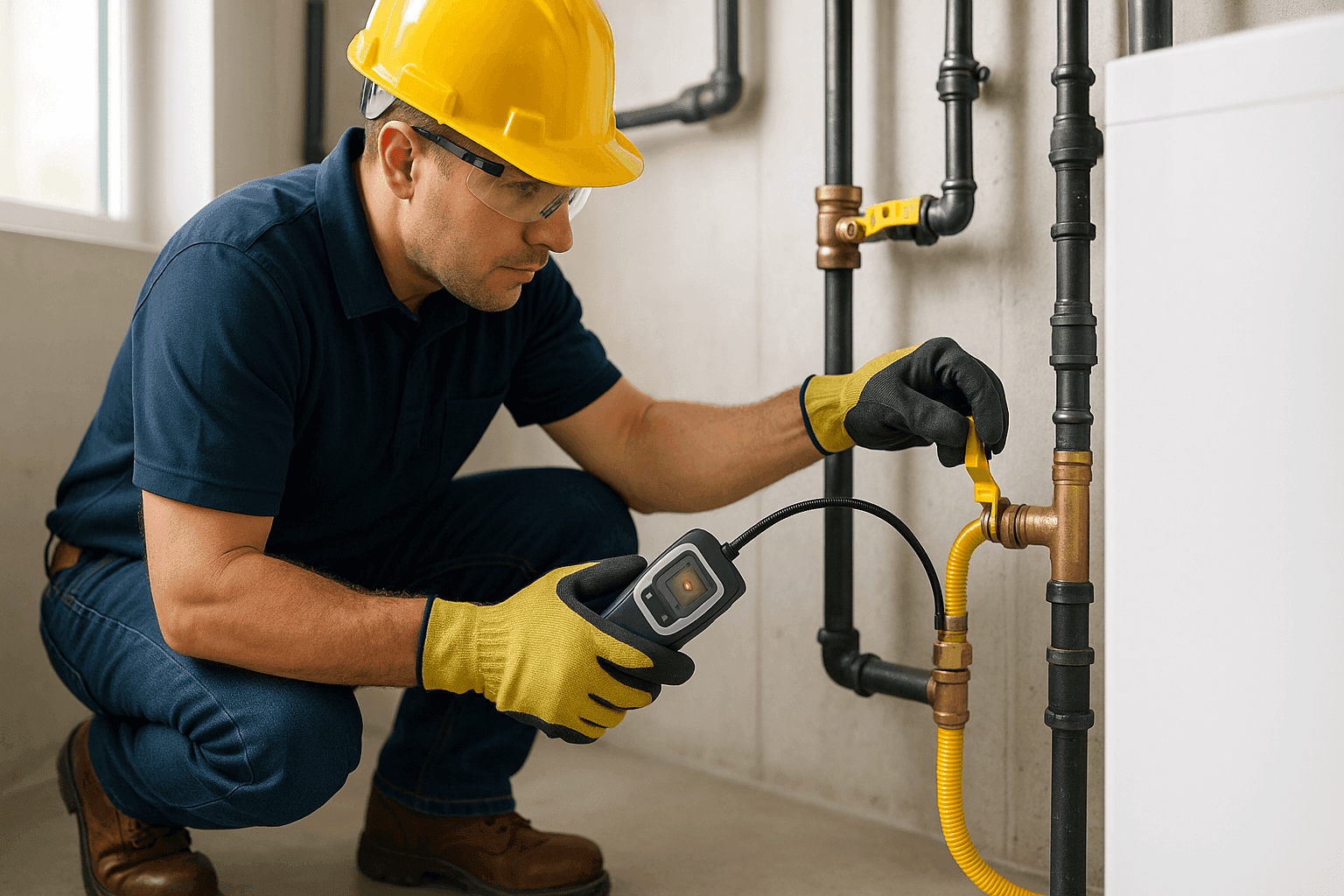
Gas lines are the silent highways that power our stoves, heaters, and fireplaces. Most days, you don’t even think about them. But when something goes wrong, the risks are real—and immediate.
At Wilson Plumbing, we see how quickly a peaceful home or business can turn into a high-stress emergency. Gas leaks aren’t just inconvenient. They’re dangerous. Knowing the basics could save lives.
Why Gas Line Safety Matters
Gas is invisible. It’s also highly flammable. That’s why gas line safety is not just a box to check off—it's as important as locking your front door at night.
The Risks
- Fire & Explosion: Natural gas and propane are explosive in the right mix with air. Even a spark from a light switch can trigger disaster.
- Health Hazards: Breathing in leaking gas can cause headaches, dizziness, nausea—or worse.
- Regulation & Liability: The National Fire Protection Association (NFPA), International Fuel Gas Code (IFGC), and local building codes set strict rules. Fines, insurance issues, and legal headaches follow if you don’t comply.
When the holiday season arrives and you’re firing up extra appliances, the stakes climb even higher. With more people indoors and ovens running overtime, gas lines work harder than ever. 🎄
Signs of a Gas Leak
Gas leaks rarely announce themselves with a parade. But they do leave clues. Recognizing them fast can make all the difference.
- Smell: A rotten egg or sulfur odor. Utilities add this scent for safety.
- Sound: Hissing or whistling near pipes, appliances, or meters.
- Physical Symptoms: Unexplained headaches, dizziness, fatigue, or nausea.
- Plants: Grass or plants dying suddenly near buried lines.
- Bubbles: Blowing soap bubbles on a joint—if it foams, you’ve got a leak.
During cold months or big family gatherings, don’t ignore odd smells or symptoms. Stay alert. 🕵️
Safe Gas Line Installation
Putting in a gas line is like building a bridge. If it’s not done right, everything on top is at risk.
Codes & Permits
- Always Check Local Requirements: The IFGC and NFPA 54 are the rulebooks. Permits are not optional.
- Right Materials: Use only approved piping—black iron, copper (where allowed), or CSST.
- Proper Sizing: Undersized pipes can starve appliances or cause leaks.
- Licensed Plumbers Only: Don’t gamble. Only licensed professionals can guarantee safe, code-compliant installs.
DIY gas work is like blindfolded driving. It’s not worth the risk.
Regular Inspections and Maintenance
Out of sight doesn’t mean out of mind—especially with gas lines.
- Annual Inspections: Recommended by the NFPA and most insurance companies.
- Appliance Checks: Make sure all connections and valves are tight and corrosion-free.
- Pressure Testing: Pros can verify leaks with specialized gauges.
- Backflow Testing Near You: Keep drinking water safe from contamination by regularly checking backflow preventers connected to gas-powered water heaters or boilers.
Set a calendar reminder, especially before heavy-use seasons or renovations. 🗓️
Emergency Steps if You Suspect a Leak
Acting fast in a gas emergency is like knowing the fire escape route before there’s smoke. Here’s what to do:
- Leave Immediately: Don’t stop to grab things.
- Don’t Use Electronics: Light switches, phones, or even static can ignite gas.
- Shut Off the Gas: If you can safely reach the main shutoff, do it.
- Call Emergency Plumbing Services: From outside, dial your utility or a licensed plumber like Wilson Plumbing.
- Warn Others: Keep everyone away from the area.
The U.S. Department of Energy and local fire departments echo these steps. Your safety comes first.
Quick Safety Checklist
- Smell rotten eggs? Don’t ignore it.
- Hear hissing? Investigate immediately.
- Headache or dizziness in multiple people? Fresh air, fast.
- Appliances installed or repaired recently? Double-check connections.
- Annual inspection overdue? Book one today.
DIY vs. Call a Pro
Changing a lightbulb? DIY. Installing or repairing a gas line? Not so much.
- DIY Risks: Mistakes can be fatal. Insurance may not cover damages from unlicensed work.
- When to Call a Pro: Any installation, repair, or suspected leak. Same goes for adding new appliances.
What Pros Do On Arrival
When Wilson Plumbing arrives, here’s what to expect:
- Safety First: We check for immediate hazards and ensure everyone is clear.
- Leak Detection: Using calibrated gas detectors, soap solution, and pressure tests.
- Repairs: Only with code-approved parts and methods.
- System Testing: Confirm everything is safe before turning gas back on.
Prevention & Maintenance
Prevention is cheaper—and much less stressful—than repair.
- Schedule annual gas line and appliance inspections.
- Keep areas around gas meters or pipes clear and visible.
- Don’t stack holiday storage or decorations near gas lines.
- Know where your main shutoff is located—show everyone in the household.
- Book seasonal maintenance before cold snaps or big holidays.
Costs & Time Factors
Gas line work isn’t one-size-fits-all. Factors include:
- Scope: New installation vs. repair or rerouting.
- Access: Buried or hard-to-reach lines take longer.
- Permits: Time to secure required approvals.
- Emergency Plumbing Calls: May cost more for after-hours, but safety can’t wait.
Repairs can range from a quick fix to a multi-day project. A reputable plumber will always explain your options.
When It’s an Emergency
Some situations can’t wait. If you smell gas, feel sick, or see visible damage to a pipe, leave immediately. Don’t wait to see if it gets better. Emergency plumbing teams are available 24/7 for a reason—your safety.
Gas Line Safety FAQ
How often should gas lines be inspected?
At least once a year, or before/after major appliance changes.
Can I install a gas line myself?
No. Legally, only licensed professionals should perform gas line work.
What if my gas appliance isn’t working right after a holiday meal?
Turn it off. Don’t try to relight or repair it yourself. Call for professional help.
Do I need Backflow Testing near me if I have a gas water heater?
Yes. Backflow prevention protects your drinking water from contamination.
Local & Seasonal Considerations
Every region has its quirks—extreme cold can shrink pipes, old homes may have outdated lines, and holiday festivities mean heavier use. If you’re in an area with seasonal storms, check that lines and shutoff valves remain accessible and free from debris.
Remember: when the seasons turn and family fills your home, your gas system works harder. That’s the perfect time for a quick safety check.
Your safety is never out of season. For emergency plumbing or reliable gas line inspection, Call Wilson Plumbing now — or reach us anytime at 877-657-7531 .