How to Unclog Any Toilet: Pro Tips for Fast, Safe Results
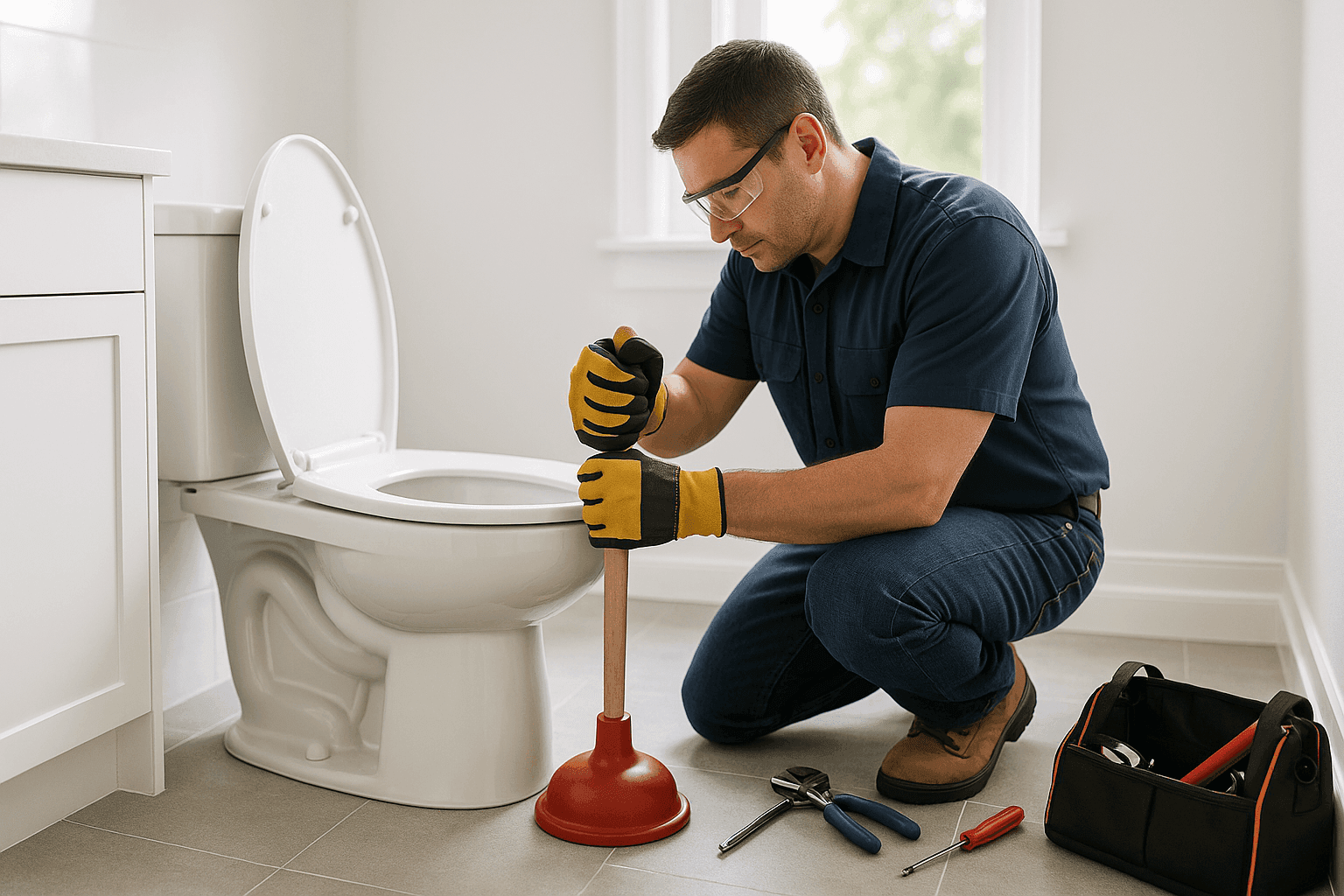
Few things grind a busy household or workplace to a halt faster than a clogged toilet. Panic sets in. Time ticks. The clock doesn’t care if it’s the middle of the night or the middle of a staff meeting. That’s when you need solid, no-nonsense advice from folks who’ve seen it all—like the emergency plumbing team at Wilson Plumbing.
We’ve helped both families and businesses out of sticky plumbing jams for decades. Here’s our pro guide to unclogging any toilet, safely and quickly—plus when it’s time to bring in the heavy hitters.
Common Toilet Clog Causes 🚽
Before you tackle a clog, it helps to know what you’re up against. Toilets get blocked for all sorts of reasons—some innocent, some accidental, some just plain bad luck.
Biggest culprits:
- “Flushable” wipes: Despite the label, most don’t break down, especially in commercial settings with older pipes.
- Kids’ toys and objects: Curious hands mean unexpected obstructions. Action figures, crayons, even cell phones—nothing is safe.
- Too much toilet paper: Ultra-soft, multi-ply tissue can ball up and refuse to budge.
- Hard water scale: Over time, minerals build up like invisible barnacles, narrowing pipes and making clogs more likely.
- Feminine hygiene products or paper towels: Never meant for toilets—these expand and block lines fast.
- Low-flow toilets: Common in commercial bathrooms, these can struggle with heavy loads or frequent use.
Clogs in residential bathrooms often stem from overzealous kids or “flushable” wipes. In businesses, it’s usually a mix of paper waste and high traffic.
Essential Tools for Unclogging
The right tool can make all the difference. Here’s what professionals and savvy DIYers rely on:
- Plunger: A flange-style plunger (with a bell-shaped extension) forms a tight seal and delivers more force than a cup plunger.
- Toilet auger (“closet auger”): A flexible, crank-operated snake that can reach deeper blockages.
- Rubber gloves: Essential for hygiene and safety.
- Bucket and towels: For cleanup or catching overflow.
- Enzyme-based cleaners: Safer than harsh chemicals, these break down organic matter over time.
- Wet/dry vacuum: For severe clogs in commercial settings (use with care and only if manufacturer-recommended).
Remember: Always check your toilet and tool manufacturer’s instructions before using any mechanical or chemical method. The wrong move can crack porcelain or void warranties.
Step-by-Step Unclogging Methods
Let’s break it down—no frills, just what works.
1. Plunging Like a Pro
- Ensure the toilet bowl has enough water to cover the plunger’s rubber cup.
- Place the plunger firmly over the drain hole, ensuring a tight seal.
- Push and pull with steady force, starting gently. Build up intensity if needed.
- Aim for 15–20 seconds of plunging, pausing to see if water drains.
- Repeat as necessary. If water begins to drain, you’re on the right track.
2. Using a Toilet Auger
- Insert the auger’s tip into the toilet drain, cranking the handle clockwise.
- Gently feed the cable—never force it. You should feel resistance as it meets the blockage.
- Keep cranking until the auger moves freely, indicating you’ve cleared the obstruction.
- Slowly retract the auger and flush to test.
3. Safe Use of Chemicals
- Only use enzyme-based drain cleaners, and only as directed by both the product and toilet manufacturer.
- Avoid caustic or acidic chemicals. They can damage pipes, harm septic systems, and are risky in commercial bathrooms with varied plumbing materials.
- Never mix chemicals or use after other methods, as dangerous reactions can occur.
4. Hot Water & Dish Soap
- Pour a generous squirt of dish soap into the bowl.
- Follow with a bucket of hot (not boiling) water from waist height.
- Let sit for 20–30 minutes. Try flushing once to see if the clog loosens.
5. Wet/Dry Vacuum (For Commercial/Severe Clogs)
- Only use if you’re experienced and the toilet is mostly empty.
- Create a tight seal between the vacuum hose and drain.
- Use short bursts—never leave the vacuum running unattended.
Safety warning: Always wear gloves and eye protection. Never use boiling water or sharp objects; both can crack porcelain or cause injury. When in doubt, stop and call a licensed plumber.
What Not to Do (DIY Mistakes to Avoid) ⚠️
It’s tempting to get creative when panic sets in. But certain shortcuts do more harm than good:
- Don’t flush repeatedly: It can overflow the bowl and cause water damage.
- Don’t use coat hangers or sharp objects: These can scratch or break the toilet.
- Don’t dump drain cleaner after trying other methods: Chemical reactions can be dangerous.
- Don’t ignore persistent or recurring clogs: They often signal deeper sewer line trouble.
- Don’t disassemble the toilet unless you know how to reinstall it properly.
- Don’t use excessive force: Too much pressure can crack porcelain or damage seals.
Take a breath. Use proven steps and the right tools. If you’re in over your head, help is a call away.
When to Call a Plumber
Not every clog needs a pro, but some red flags mean it’s time to call Wilson Plumbing—especially in emergencies.
Call us if:
- Water is rising or overflowing and won’t stop.
- You’ve tried plunging and augering with no luck.
- Multiple toilets or drains are backing up (could mean a main sewer line clog).
- You notice foul smells, gurgling, or water backing up in sinks and tubs.
- You’re in a commercial setting and need quick, sanitary solutions to reopen restrooms.
Remember: Emergency plumbing isn’t just for floods. Fast action can prevent water damage, health hazards, and costly repairs.
Quick Safety Checklist
- Wear gloves and wash hands thoroughly after any attempt.
- Ensure proper ventilation—especially if using cleaners.
- Place towels or a bucket nearby to catch spills.
- Never use tools or chemicals not recommended by the manufacturer.
- For commercial bathrooms, follow OSHA and local code requirements for cleaning and PPE.
Cited resources: CDC guidelines on cleaning up after sewage, manufacturer instructions for plungers and augers, and local plumbing codes.
DIY vs. Call a Pro
DIY: Best for simple, single-toilet clogs in residential settings. Requires basic tools and patience.
Call a Pro: Essential for commercial buildings, repeated clogs, main line backups, or when you suspect pipe damage or serious blockages. Licensed plumbers have specialized tools, video inspection, and can address hidden issues quickly.
What Pros Do On Arrival
When Wilson Plumbing shows up, here’s what you can expect:
- Inspect the bathroom and discuss the problem.
- Use commercial-grade plungers and augers (longer reach, more power).
- If needed, perform a sewer line inspection with a camera.
- Check for backflow issues and test for hidden leaks.
- Advise on preventative measures and code compliance.
- Clean up thoroughly and restore fixtures to safe, working order.
Commercial clients: We follow all health and safety protocols to minimize downtime and keep your business compliant.
Prevention & Maintenance
An ounce of prevention beats a gallon of mop water. To avoid future clogs:
- Only flush waste and toilet paper—nothing else.
- Keep a wastebasket handy for wipes and hygiene products.
- Teach kids what shouldn’t go down the toilet.
- Schedule regular preventative maintenance, including Backflow Testing near you.
- Install high-quality water filtration to reduce hard water scale.
- For businesses, post clear signage and train staff on proper restroom use.
Costs & Time Factors
DIY unclogging: Usually takes 15–30 minutes if tools are handy.
Professional service: Most emergency plumbing calls last 30–90 minutes, depending on severity and access.
- Simple clogs: Quick fix, minimal disruption.
- Deep blockages or main line issues: Can take longer, especially if excavation or pipe repair is needed.
Costs vary based on time, materials, and urgency. After-hours or commercial jobs may be higher. For an accurate estimate, call and describe your situation—our team will walk you through next steps before dispatching.
When It’s an Emergency
Certain scenarios demand urgent help:
- Overflowing toilets that don’t stop after shutting off the valve.
- Raw sewage backing up into bathrooms or sinks.
- Strong sewage odors or water leaks threatening floors, walls, or electrical systems.
- Any toilet or drain issue in a commercial facility that affects customer or employee safety.
In these cases, shut off water if possible, keep people clear, and call Wilson Plumbing’s emergency plumbing line immediately.
FAQ
What if the clog keeps coming back?
Recurring clogs often point to deeper issues—tree roots, pipe scale, or partial collapses. A professional sewer line inspection is the safest bet.
Can I use boiling water to clear a clog?
No. Boiling water can crack porcelain and damage seals. Use hot (not boiling) water or call a plumber.
Are chemical drain cleaners safe for toilets?
Most aren’t. Stick to enzyme-based products and always follow the manufacturer’s recommendations. Caustic chemicals can damage both pipes and toilets.
How can I prevent clogs in a business restroom?
Train staff, provide clear signage, and schedule regular maintenance. Install commercial-grade toilets and consider water filtration to reduce scale.
Local & Seasonal Considerations 🌦️
- Winter: Pipes can freeze and increase the risk of clogs—especially in unheated commercial spaces.
- Heavy rain: In some areas, stormwater can overwhelm sewer lines, leading to backups.
- High-traffic events: Holidays and school breaks mean more use—more vigilance needed.
If you’re in an older home or building, consider an annual plumbing inspection and Backflow Testing near you to catch trouble before it strikes.
When a clog disrupts your day, don’t wait for disaster to strike. Whether it’s a stubborn toilet at home or a critical restroom in your business, Wilson Plumbing is here to help—24/7.
Call Wilson Plumbing now — or reach us anytime at 877-657-7531 .