How to Identify and Fix Low Water Pressure in Your Home or Business
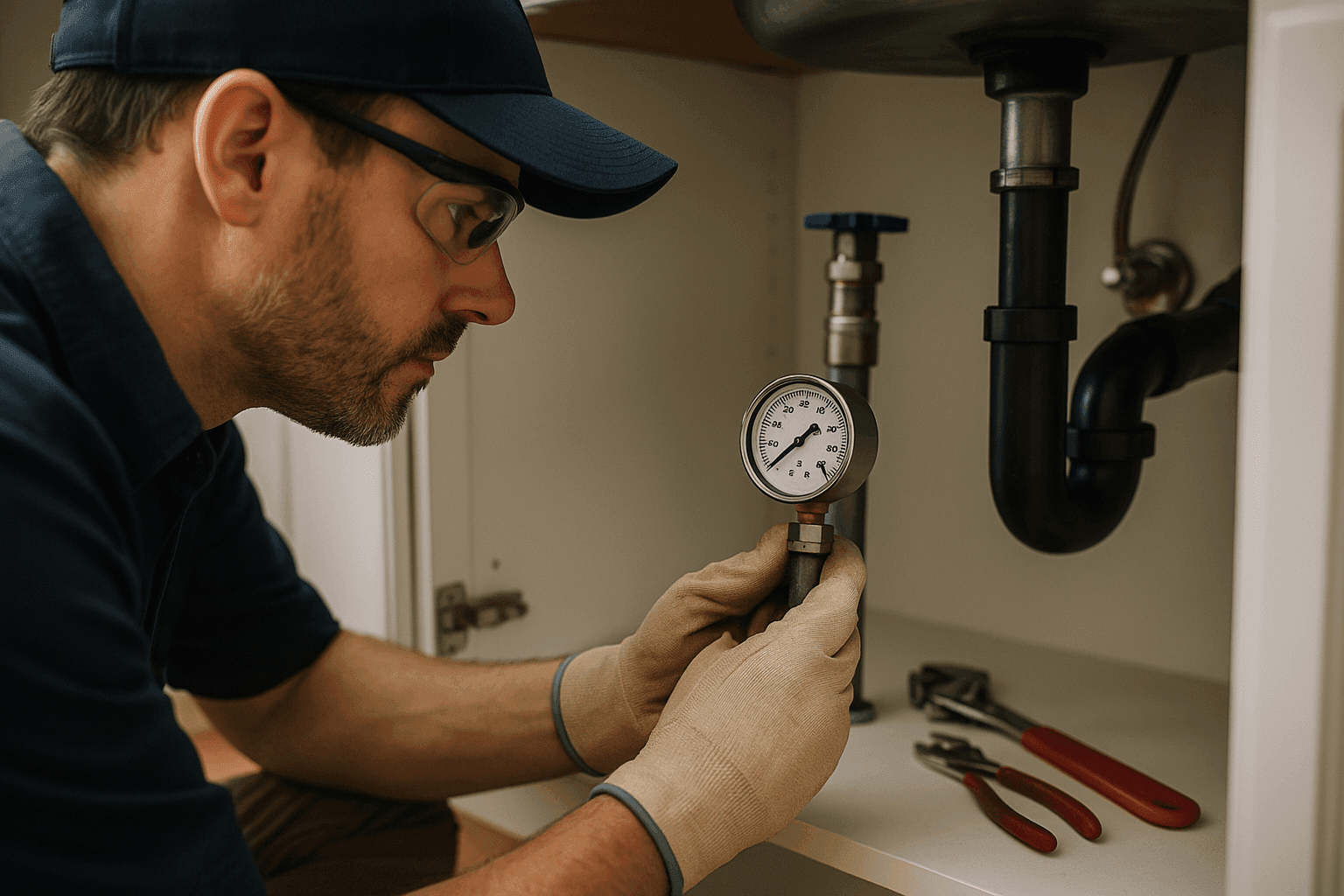
Is your shower suddenly more of a trickle than a torrent? Maybe your kitchen tap sputters when you need it most. Low water pressure is more than an inconvenience—it can disrupt your day, slow down your business, and sometimes signal bigger plumbing issues beneath the surface.
At Wilson Plumbing, we know that every drop counts. Whether you’re a homeowner or manage a small business, understanding what causes low water pressure—and how to fix it—can save you time, money, and stress.
Why Is My Water Pressure Low? Common Causes
Water pressure should feel steady and strong, like a reliable handshake. When it drops, something’s off. Here are the most common culprits:
- Pipe Corrosion: Old pipes can corrode inside, narrowing the space for water to flow. It’s like trying to sip a milkshake through a coffee stirrer.
- Hidden Leaks: Even a tiny leak can bleed off pressure. Sometimes you won’t see water pooling—just the pressure dropping.
- Clogged Pipes or Fixtures: Mineral deposits, debris, or rust can block pipes or faucet aerators.
- Municipal Supply Issues: Sometimes the problem starts outside your walls, with utility work or local supply restrictions.
- Pressure Regulator Problems: If your home or business has a pressure regulator, it can fail or go out of adjustment, impacting the whole building.
- Shared Supply Lines: In some buildings, multiple units share a main line. If your neighbor runs a bath, you might notice a drop.
- Seasonal Factors: Freezing weather can cause pipes to constrict or freeze, sharply reducing water flow.
Quick Safety Checklist Before You Start 🛑
Before rolling up your sleeves, take a minute for safety:
- Turn off electrical appliances near plumbing areas (especially water heaters and boilers).
- Check for visible leaks or wet spots on floors, ceilings, or walls.
- Shut off the main water supply if you spot a major leak.
- Wear gloves when inspecting pipes to avoid sharp edges or chemicals.
- Know your shut-off valves—every minute counts in an emergency.
If you’re ever unsure, don’t risk it. Some plumbing issues can quickly turn from pesky to dangerous.
DIY Diagnostics: Simple Steps to Find the Source
You don’t need a toolbox the size of a car trunk to start troubleshooting. Here’s how to play plumbing detective:
1. Test Multiple Fixtures
- Try the kitchen sink, bathroom faucet, shower, and any outdoor spigots.
- Is the problem everywhere or just in one room? If it’s everywhere, think main line or regulator. If it’s just one spot, the issue is likely local.
2. Inspect Faucet Aerators and Showerheads
- Unscrew the tip of the faucet or showerhead.
- If you see sand, grit, or white mineral buildup, soak the part in vinegar overnight.
- Rinse and reinstall. Sometimes, that’s all it takes.
3. Check the Main Shut-Off Valve
- Make sure it’s fully open. Sometimes, it gets bumped during repairs or cleaning.
4. Look for Signs of Leaks
- Listen for hissing or dripping sounds behind walls.
- Check your water meter. If it spins when all water is off, there’s likely a hidden leak.
5. Evaluate Pressure Regulator (If You Have One)
- Usually found near where your main water line enters the building.
- If you’re comfortable, use a pressure gauge (available at hardware stores) to test. Typical pressure should be 40–60 PSI for homes.
- If it reads low, the regulator may need adjusting or replacement.
6. Ask Neighbors or Building Management
- If others have the same issue, it’s likely a municipal supply problem. Contact your water provider.
DIY Fixes vs. When to Call a Pro
Some fixes are simple. Others need a licensed plumber. Here’s how to tell:
When You Can DIY
- Cleaning aerators and showerheads.
- Checking and opening shut-off valves.
- Replacing easily accessible hoses or washers.
- Adjusting a pressure regulator—if you’re comfortable and have the right tools.
When to Call a Plumber
- Suspected hidden leaks: Water stains, mold, or unexplained puddles.
- Old or corroded pipes: Especially in older homes or buildings.
- Major clogs: If multiple drains run slow or back up.
- Pressure regulator problems: If adjustment doesn’t help or you’re unsure.
- Water heater or boiler issues: Low pressure at hot taps only can signal trouble.
- Emergency plumbing situations: Burst pipes, sudden drops in pressure, or no water at all.
DIY is great for surface-level issues. For anything deeper, Wilson Plumbing’s team brings the right tools and experience to keep your property safe.
What Pros Do On Arrival: The Wilson Plumbing Approach
When you call in the cavalry, here’s what happens:
1. Full System Inspection
- Visual and pressure tests on all fixtures.
- Check for leaks, corrosion, and blockages.
2. Leak Detection
- Use of acoustic sensors or thermal imaging to find hidden leaks without tearing up walls.
3. Pipe and Fixture Assessment
- Inspect pipe condition—looking for rust, scale, or damage.
- Test pressure regulators, valves, and backflow devices.
4. Targeted Repairs
- Replace or repair damaged pipes, valves, or fixtures.
- Clear stubborn clogs with professional-grade tools.
5. Compliance and Safety Checks
- Ensure repairs meet plumbing codes and safety standards (referencing guidelines like the International Plumbing Code).
- Test water pressure and flow before leaving.
You get clear answers, safe repairs, and peace of mind.
Prevention & Maintenance: Keeping Pressure Strong All Year
A little care goes a long way. Here’s how to keep your water pressure steady:
Regular Checks
- Inspect pipes for signs of leaks or rust every few months.
- Clean aerators and showerheads twice a year to prevent buildup.
- Flush your water heater annually to remove sediment.
Schedule Preventative Maintenance
- Have a professional plumber inspect your system yearly.
- Ask about water pressure testing and backflow prevention.
Protect Pipes from Freezing
- Insulate exposed pipes before winter.
- Let faucets drip during hard freezes to prevent bursts.
Watch for Early Warning Signs
- Sudden drops in pressure, discolored water, or odd noises mean it’s time to act.
Costs & Time Factors: What to Expect
Plumbing issues can range from a quick fix to a bigger project. Here’s what affects the cost and time:
- DIY fixes: Cleaning an aerator or opening a valve takes minutes and a few dollars.
- Minor repairs: Simple leak fixes or replacing a pressure regulator may take 1–2 hours.
- Major repairs: Repiping sections, fixing hidden leaks, or replacing old pipes can take several hours—or longer for larger properties.
- Professional diagnostics: Leak detection or pressure testing usually takes under an hour.
Remember, catching problems early saves money down the line. Ignoring low pressure can cause bigger, costlier headaches.
When It’s an Emergency 🚨
Sometimes, low water pressure isn’t just annoying—it’s urgent. Call emergency plumbing services if:
- A pipe bursts or you lose all water supply.
- You see flooding, water stains, or rapid mold growth.
- Water pressure drops suddenly and doesn’t recover.
- You suspect a gas line or boiler issue.
Quick action protects your property and safety. Don’t wait—emergency plumbing is available 24/7 for situations just like these.
FAQ: Low Water Pressure
Why did my water pressure drop suddenly?
Sudden drops often point to a burst pipe, valve issue, or municipal supply problem. Check for leaks and call a plumber if you can’t find the cause.
Is low water pressure dangerous?
It can be. Low pressure from leaks can lead to water damage and mold. It can also affect fire protection systems and water heaters. Always investigate promptly.
Can I fix low water pressure myself?
Yes, if it’s a simple clog or aerator issue. For leaks, old pipes, or unknown causes, it’s safer to call a plumber.
Does low water pressure affect appliances?
Yes. Dishwashers, washing machines, and water heaters may work less efficiently or break down sooner.
Special Considerations for Plumbing Service
- Commercial properties: Shared lines and higher usage can complicate diagnosis. Professional assessment is critical for businesses.
- Older buildings: Pipes may be undersized or made from outdated materials. Repiping may be needed for lasting results.
- Water quality: Hard water can speed up mineral buildup, leading to more frequent clogs.
- Backflow prevention: Low pressure can sometimes cause backflow—where water reverses direction. Proper devices and testing are vital for safety.
Always follow safety guidelines and building codes. For more details, refer to resources like the International Plumbing Code and the Uniform Plumbing Code.
Call Wilson Plumbing now — or reach us anytime at 877-657-7531 .