Kitchen Plumbing Problems: Fast Fixes for the Most Common Issues
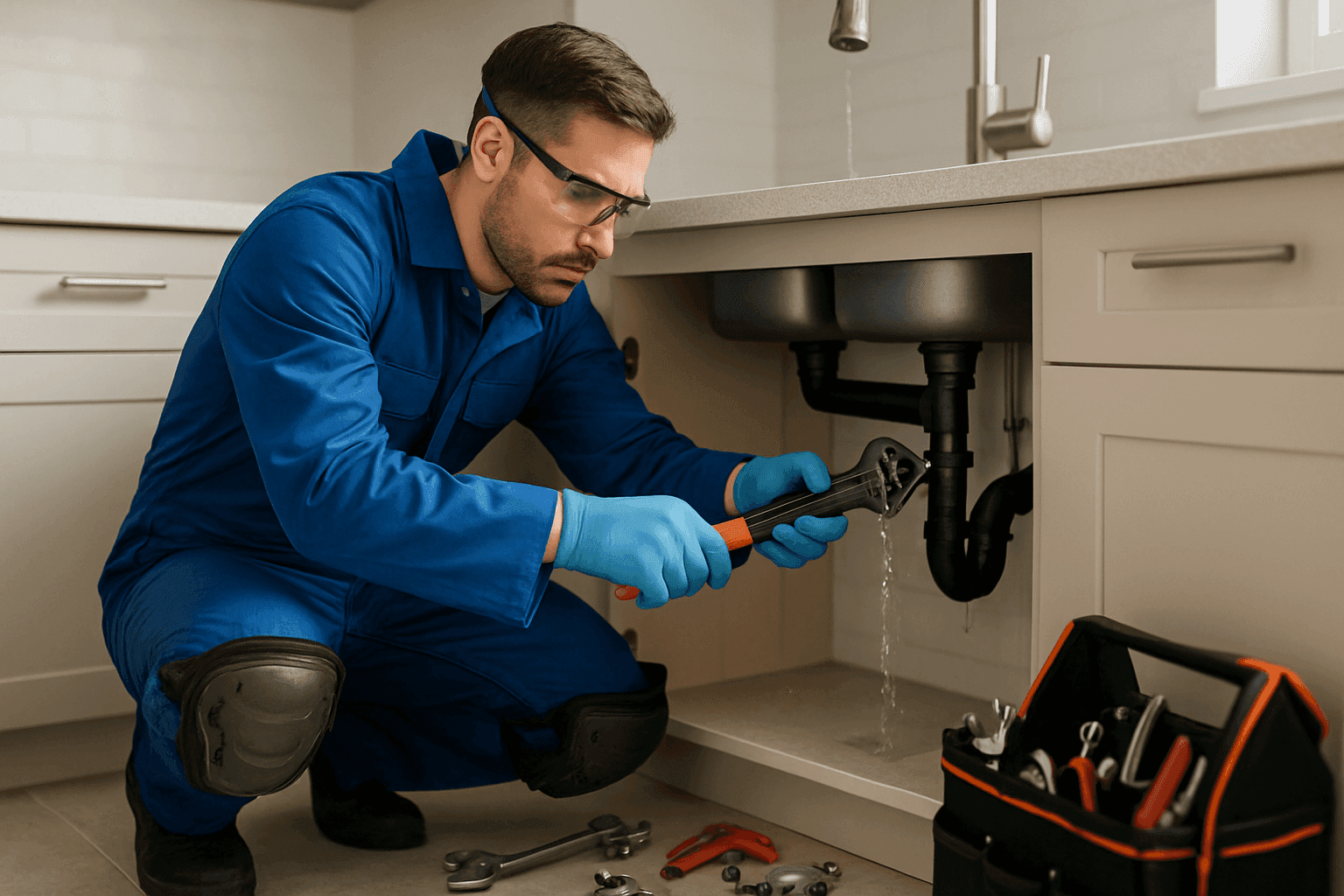
Ever tried to cook a big holiday meal, only to find water pooling beneath your sink? Or heard that ominous drip-drip in the middle of the night? Kitchen plumbing problems don’t just inconvenience—they can bring your home or business to a grinding halt.
At Wilson Plumbing, we understand how one small leak can turn into a major headache. Our team handles everything from sudden leaks to stubborn drain clogs, all with the speed and care you need. Whether your kitchen is a bustling family hub or a non-stop commercial operation, we’re here to help—day or night.
Top Kitchen Plumbing Problems
Kitchens are the heart of any home or restaurant. But they’re also ground zero for plumbing headaches. Here are the most common issues we see:
- Leaky Faucets: That steady drip isn’t just annoying—it wastes gallons of water over time.
- Slow or Clogged Drains: Food scraps, grease, and soap scum build up quietly until water barely moves.
- Garbage Disposal Jams: When the disposal groans or stops cold, meal prep comes to a halt.
- Under-Sink Leaks: Puddles under the sink can point to a loose pipe or a failing seal.
- Dishwasher Connection Issues: If your dishwasher backs up or leaks, it can damage cabinets and floors.
- Low Water Pressure: Makes rinsing and cleaning a chore, and can signal deeper problems.
- Odors From Drains: Foul smells often mean trapped food, mold, or even sewer line trouble.
Why are these problems so disruptive? Imagine prepping a holiday feast and discovering your disposal is jammed—guests arriving, dishes stacking up, and nowhere to drain pasta water. In high-traffic kitchens, even a minor issue can snowball in minutes.
DIY Fast Fixes 🛠️
Some kitchen plumbing problems can be tackled with a little know-how and a few household tools. But before you start, safety first.
Quick Safety Checklist
- Turn off the water supply under the sink before beginning any repair.
- Unplug electrical appliances near water (especially disposals and dishwashers).
- Wear gloves to protect your hands from sharp objects or chemicals.
- Never stick your hand down a garbage disposal unless the power is off.
- Keep a bucket and towels nearby—water likes to surprise you.
Troubleshooting Flowchart
Got a leak under the sink?
- Tighten connections: Use a wrench to snug up loose fittings.
- Check for cracked pipes: If found, the section may need replacing.
- Still leaking? Shut off water and call Wilson Plumbing.
Faucet dripping?
- Replace the washer or cartridge inside the faucet handle.
- If drip continues, mineral buildup could be at fault—soak parts in vinegar.
Slow drain?
- Try a plunger first.
- Use a baking soda and vinegar mix, followed by boiling water.
- Avoid chemical drain cleaners—they can damage pipes.
Garbage disposal not working?
- Press the reset button on the bottom.
- Check for jams using a hex key (with power OFF).
- Still nothing? The motor could be burned out.
Dishwasher not draining?
- Inspect and clean the filter.
- Make sure the drain hose isn’t kinked or blocked.
When to Call a Professional
Some plumbing issues are more than a quick fix—they’re a ticking time bomb. Here’s when you should reach for the phone:
- Water keeps leaking after you’ve tightened everything.
- Pipes are visibly cracked or corroded.
- The garbage disposal hums but doesn’t spin (could be an electrical problem).
- Drains stay clogged after DIY attempts.
- Water pressure drops suddenly throughout your kitchen.
- You notice water damage, mold, or a musty smell under the sink.
- Dishwasher leaks persist, or water backs up into the sink during cycles.
Our licensed plumbers at Wilson Plumbing arrive with the right tools, parts, and training. We handle emergencies 24/7, so you never have to wait while water causes more damage.
Preventing Future Issues 🚿
A little maintenance goes a long way. Our team always recommends:
- Install strainers: Keep food scraps and debris out of your drains.
- Run hot water weekly: Prevents grease buildup by flushing pipes.
- Avoid pouring oil down the drain: Even small amounts can cause clogs.
- Check hoses and seals regularly: Look for cracks or leaks around dishwashers and sinks.
- Schedule annual inspections: Professional backflow testing near you can stop problems before they start.
The International Association of Plumbing and Mechanical Officials (IAPMO) suggests regular inspections to stay ahead of leaks and code violations.
Real-World Stories from Our Customers
"Wilson Plumbing came just hours before our Thanksgiving dinner. They fixed our leak fast and left the kitchen spotless." — Lisa F., Homeowner
"Our restaurant’s dishwasher sprang a leak during the dinner rush. Wilson Plumbing’s same-day service saved the night." — Carlos M., Restaurant Manager
We’re proud to serve both families and local businesses, responding quickly no matter the hour.
Costs & Time Factors
Every job is different, but here’s what to expect:
- Minor fixes (tightening connections, clearing simple clogs): Usually under an hour.
- Moderate repairs (replacing pipes, fixing disposals): 1–2 hours.
- Major issues (water damage, repiping): Several hours to a full day.
Labor and parts can vary—especially for emergencies or after-hours calls. Investing in prompt repairs can save money on water bills and prevent expensive damage later.
When It’s an Emergency 🚨
If water is spilling onto the floor, you smell gas, or you can’t stop a leak, don’t wait. Emergency plumbing issues can threaten your property and safety. Shut off water at the main valve and call Wilson Plumbing immediately.
Remember: It’s always better to act fast and prevent bigger problems.
FAQ
How do I know if my leak is serious?
If you can’t stop it with hand-tightening, or if water spreads beyond the cabinet, it’s time for professional help.
Can I use chemical drain cleaners?
We recommend against it. They can corrode metal pipes and harm your plumbing system. Physical methods are safer.
Why does my garbage disposal smell?
Food particles trapped in the blades or drain line can rot and cause odors. Run cold water and grind ice cubes and citrus peels to help freshen it.
Should commercial kitchens do anything different?
High-traffic kitchens should schedule preventative maintenance more often and make sure all staff know emergency shut-off locations.
Local & Seasonal Considerations
Holiday gatherings, big family dinners, or busy restaurant shifts put extra strain on your kitchen plumbing. Cold weather can cause pipes to contract and seals to loosen, while heavy use during the holidays means problems show up fast.
If you’re prepping for a major event or your kitchen sees a lot of action, consider booking a service checkup with Wilson Plumbing before the rush.
Don’t let a kitchen plumbing problem ruin your plans. For leaks, clogs, or emergencies, Call Wilson Plumbing now — or reach us anytime at 877-657-7531 .