How to Maintain Your Home Plumbing System Year-Round
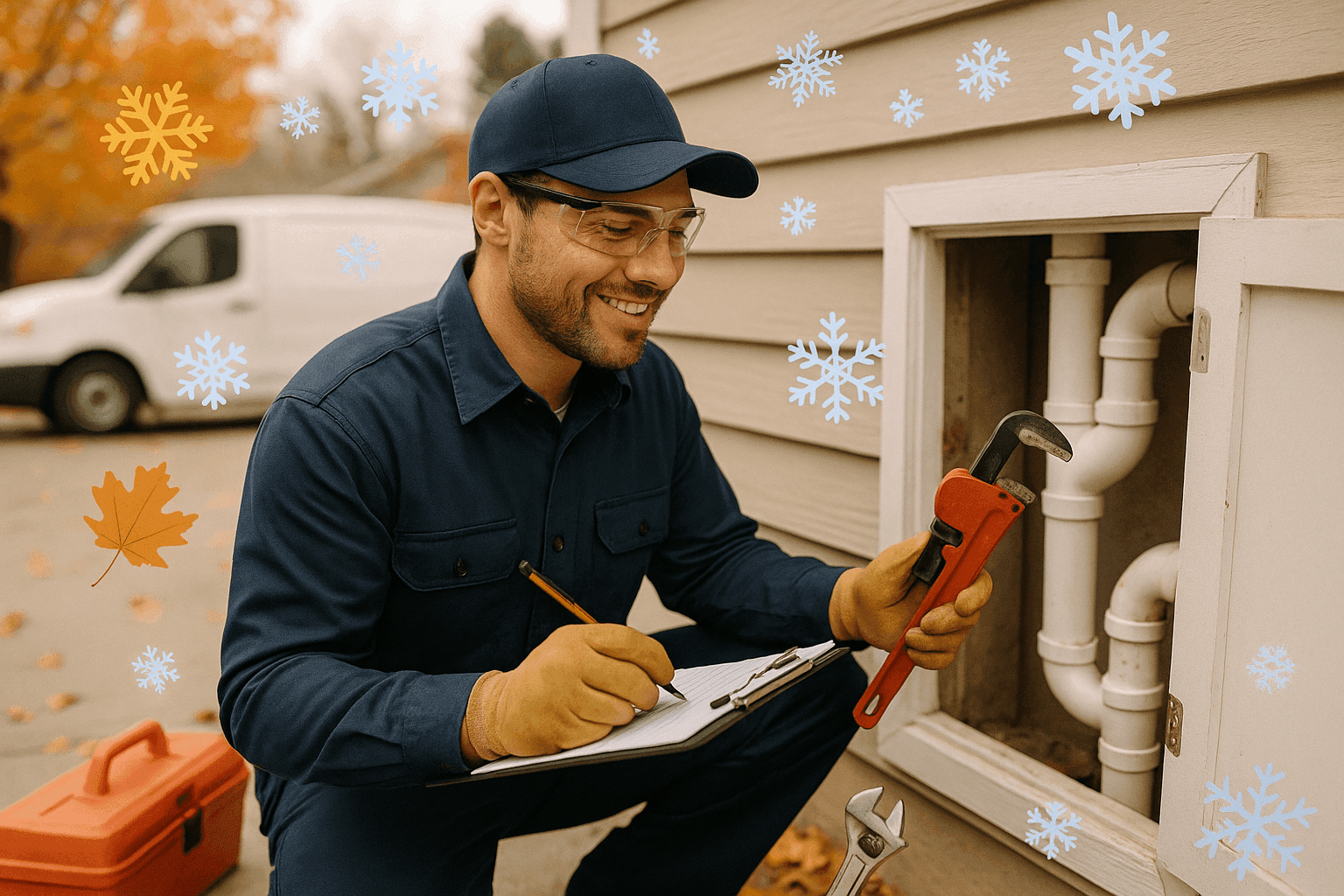
Is your plumbing system ready for everything the year throws at it? From small leaks to sudden clogs, plumbing troubles have a way of sneaking up just when you least expect them. The good news? Most emergencies can be avoided with a little seasonal attention—and a plan.
Wilson Plumbing has seen it all. We know how a single drip can become a flood, and how a slow drain can turn into a weekend wrecker. This guide walks you through the essential steps to keep your home or small business plumbing in top shape, season after season.
Why Plumbing Maintenance Matters
Think of your plumbing like the veins of your home—hidden, vital, and easy to take for granted. But when something goes wrong, life comes to a halt. Regular maintenance isn’t just about avoiding inconvenience. It’s about protecting your investment, preventing water damage, and keeping your water clean and safe.
Neglect can lead to:
- Burst pipes
- Mold growth
- High water bills
- Costly emergency plumbing visits
A little prevention now saves a lot of money and headaches later.
Quick Safety Checklist 🛠️
Before you start, keep these safety basics in mind:
- Turn off water supply before working on any fixture.
- Unplug electrical appliances near water sources.
- Wear gloves and eye protection for any cleaning or repairs.
- Know where your main shutoff valve is—and make sure everyone in the household does too.
- Never mix chemical drain cleaners; they can create dangerous fumes.
- Test for gas leaks with soapy water, not a flame.
- Call a professional if you smell gas or see water pooling where it shouldn’t be.
For detailed safety rules, check resources like the International Plumbing Code (IPC) and National Fire Protection Association (NFPA) guidelines.
Seasonal Plumbing Maintenance Guide
Every season brings its own challenges. Here’s how to keep your plumbing humming all year.
Spring: Fresh Start for Your Pipes
Spring cleaning isn’t just for closets. Melting snow and rain can stress your plumbing.
- Inspect exposed pipes for cracks or leaks left by winter.
- Check for slow drains—a sign of buildup or minor clogs.
- Test sump pumps before heavy rains. Pour a bucket of water in to see if it cycles on.
- Look for signs of moisture in basements, crawlspaces, and under sinks.
- Clean gutters and downspouts to prevent water from backing up near your foundation.
- Schedule backflow testing if required for your property.
Expert tip: Use a flashlight to check under sinks and behind appliances. Even a small drip can signal a bigger issue.
Summer: Keep It Flowing
Warm weather means more outdoor activities—and more water usage.
- Inspect outdoor faucets and hoses for leaks.
- Monitor water pressure. Low pressure might mean a hidden leak or mineral buildup.
- Flush water heaters to remove sediment and improve efficiency.
- Check toilets for silent leaks by adding a few drops of food coloring to the tank. If color appears in the bowl, the flapper may need replacement.
- Clean and deodorize drains with a safe mix of baking soda and vinegar.
Did you know? According to the EPA, household leaks can waste nearly 10,000 gallons of water each year. Catching them early saves money and resources.
Fall: Prep for the Cold
As leaves fall, your plumbing needs to gear up for colder nights.
- Disconnect and drain outdoor hoses to prevent freezing.
- Insulate exposed pipes in attics, basements, and crawlspaces.
- Test your water heater’s pressure relief valve for proper function.
- Clear leaves from gutters and storm drains.
- Schedule a sewer line inspection if you’ve had root problems before.
Pro tip: Pipe insulation is inexpensive and easy to install. It’s like a warm scarf for your plumbing.
Winter: Freeze Prevention
Cold snaps are notorious for bursting pipes and causing water damage.
- Let faucets drip during extreme cold to keep water moving.
- Open cabinet doors under sinks to allow warm air in.
- Keep your thermostat steady, even if you leave town.
- Know the signs of frozen pipes: no water, frost on pipes, or strange smells from drains.
- Shut off and drain outdoor plumbing before the first freeze.
If you suspect a frozen pipe, don’t use an open flame to thaw it. Call a professional right away.
Warning Signs: When to Take Action
Plumbing problems rarely fix themselves. Watch for these red flags:
- Sudden drop in water pressure
- Gurgling sounds from drains
- Damp spots on walls or ceilings
- Unexplained spikes in your water bill
- Slow-to-drain sinks or tubs
- Persistent sewer odors
If you notice any of these, it’s time to act—before a small issue becomes an emergency.
DIY vs. Call a Pro
Some tasks are safe for handy homeowners. Others need a skilled hand.
Good for DIY:
- Cleaning faucet aerators
- Unclogging minor drains with a plunger or drain snake
- Replacing worn washers or toilet flappers
- Installing simple pipe insulation
Call Wilson Plumbing for:
- Leak detection (especially behind walls or under floors)
- Gas line installation or repair
- Water heater installation or boiler repair
- Sewer line inspection, repair, or replacement
- Major pipe repairs or repiping
- Backflow testing and prevention
Modern leak detection uses specialized equipment—like acoustic sensors and thermal cameras—to pinpoint hidden leaks without tearing up your property.
What Professionals Do On Arrival
When you call Wilson Plumbing, here’s what you can expect:
- Assessment: We’ll ask questions to understand your issue and check for related problems.
- Inspection: Using tools and experience, we’ll find the root of the trouble—whether it’s a hidden leak, a clogged line, or a failing fixture.
- Clear explanation: We’ll walk you through what’s wrong, what needs fixing, and what your options are.
- Efficient repair: We carry the right tools and parts for most jobs, so we can fix the issue right away.
- Cleanup: We treat your property with respect, leaving the area tidy.
Prevention & Maintenance: The Key to Longevity
Routine care keeps your plumbing system working smoothly and extends the life of your fixtures.
Monthly
- Check for leaks under sinks and around toilets.
- Clean drain stoppers and strainers.
- Listen for odd noises from pipes or fixtures.
Seasonally
- Test sump pumps and backflow prevention devices.
- Inspect hoses and supply lines for cracks.
- Flush water heaters (follow manufacturer instructions).
Annually
- Schedule a professional inspection—especially for older homes or businesses.
- Test water pressure and quality.
- Inspect sewer and gas lines.
Tip: Mark your calendar or set reminders. A quick monthly check can prevent big surprises.
Costs & Time Factors
Plumbing maintenance doesn’t have to break the bank. Many tasks are quick—like checking for leaks or cleaning drains. More involved jobs, like water heater flushing or sewer line inspection, may take a few hours and require professional equipment.
- DIY tasks: Minutes to an hour, minimal cost for supplies.
- Professional inspections: 1–2 hours, depending on system complexity.
- Repairs: Vary widely. Small fixes may be done in under an hour; major repairs can take longer.
Remember: Delaying repairs often leads to higher costs down the road.
When It’s an Emergency
Some plumbing issues can’t wait. Call for emergency plumbing if you notice:
- Water gushing from a pipe or ceiling
- Sewer backup into your home or business
- No water at all (especially in winter)
- Gas odors or suspected gas leaks
Shut off your main water or gas supply if safe to do so, and get help immediately.
Frequently Asked Questions
How can I tell if I have a hidden leak?
Watch for water stains, musty odors, or an unexplained increase in your water bill. Professionals use tools like moisture meters and thermal imaging to detect leaks behind walls or under floors.
How often should I have my plumbing inspected?
A yearly inspection is a good rule of thumb—especially for older properties or if you’ve had previous issues. Regular checks catch small problems before they become emergencies.
Can I use chemical drain cleaners?
It’s best to avoid them. Chemical cleaners can damage pipes and are hazardous if mixed. Use mechanical methods (like a plunger or drain snake) or call for professional drain cleaning.
What’s the best way to prevent frozen pipes?
Insulate exposed pipes, keep your thermostat steady, and let faucets drip during extreme cold. Open cabinet doors to let warm air reach pipes under sinks.
Special Considerations for Plumbing Maintenance
- Older homes may have outdated pipes that need extra care or replacement.
- Businesses with commercial kitchens or restrooms should schedule more frequent inspections.
- Water quality matters. Consider installing water filtration systems if you notice discoloration or odors.
- Backflow prevention is essential for properties with irrigation systems or fire sprinklers.
Check your owner’s manuals and local plumbing codes for specific maintenance needs.
Call Wilson Plumbing now — or reach us anytime at 877-657-7531 .