How to Prevent Common Plumbing Problems Year-Round
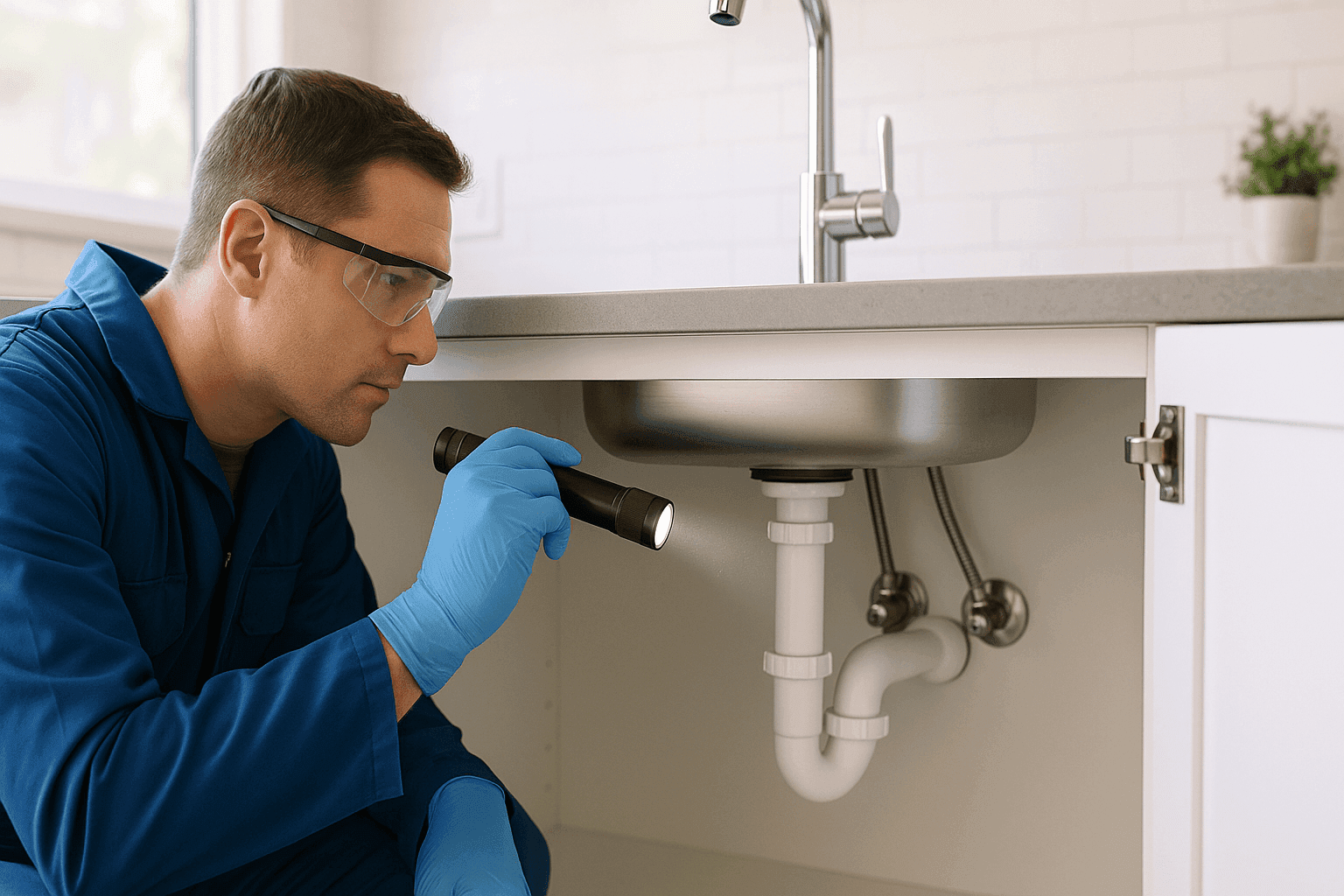
Every drip, clang, or gurgle is a warning. Plumbing problems rarely wait for a convenient time. They strike on weekends, holidays, or in the middle of the night. At Wilson Plumbing, we’ve seen it all, and we know prevention is the quiet hero that keeps homes and businesses dry and worry-free.
A burst pipe floods a basement. A leaking water heater wakes you at 2 a.m. These aren’t just annoyances—they’re emergencies. And they’re often avoidable. Here’s your hands-on guide to keeping plumbing problems from becoming a midnight disaster.
Why Prevention Matters 🛠
Picture your plumbing like the circulatory system of your building. Hidden, but vital. If it falters, everything else is at risk.
Why focus on prevention?
- Cost savings: Fixing a minor leak is pennies compared to flood remediation or emergency plumbing calls.
- Property protection: Water damage can ruin floors, walls, inventory, and irreplaceable keepsakes.
- Health: Leaks and backups can breed mold, bacteria, and bad odors.
- Peace of mind: Knowing your systems are monitored means fewer surprises.
According to the International Association of Plumbing and Mechanical Officials (IAPMO), routine inspections and maintenance can reduce major plumbing failures by over 50%. That’s not just a number—it’s months of uninterrupted comfort at home or business.
Top 5 Plumbing Problems and How to Avoid Them
Plumbing trouble wears many faces, but some problems are recurring villains. Here’s what to watch for—and how to outsmart them.
1. Leaky Pipes and Fixtures
The risk: Even a tiny drip adds up—one faucet leaking once per second can waste over 3,000 gallons a year (per EPA WaterSense).
Prevention:
- Check under sinks and around toilets monthly for dampness or corrosion.
- Replace washers and seals promptly.
- Schedule leak detection if you suspect hidden issues.
2. Clogged Drains and Toilets
The risk: Slow drains can signal larger blockages. Flushing wipes, grease, or foreign objects is like inviting a clog to dinner.
Prevention:
- Use drain strainers.
- Never flush anything but waste and toilet paper.
- Pour boiling water down kitchen drains monthly to clear light buildup.
3. Water Heater Trouble
The risk: Sediment buildup and faulty valves cause inefficiency, cold showers, and sometimes dangerous leaks.
Prevention:
- Drain and flush your tanked water heater annually.
- Check the pressure relief valve.
- If you notice rust-colored water, call for water heater repair or installation.
4. Sewer Line Backups
The risk: Raw sewage in your yard, basement, or business—there’s nothing worse.
Prevention:
- Avoid planting trees near sewer lines.
- Schedule regular sewer line inspection.
- Use Backflow Testing near you to ensure city water doesn’t mix with wastewater.
5. Low Water Pressure
The risk: Showers lose their power, and fixtures struggle to perform.
Prevention:
- Clean faucet aerators.
- Check for hidden leaks.
- Have a plumber inspect for water pressure issues and repiping needs.
Seasonal Maintenance Checklist 📅
Like the seasons, your plumbing’s needs change. Keep this checklist handy for every time of year.
Spring
- Inspect sump pumps before spring rains.
- Look for signs of pipe shifting or leaks after freezes.
- Test outdoor faucets and hose bibbs for leaks.
Summer
- Check for sewer line blockages as tree roots grow.
- Inspect water heater for corrosion.
- Clean gutters and downspouts to direct water away from foundations.
Fall
- Insulate pipes in unheated areas.
- Test boiler systems before cold weather.
- Schedule Backflow Testing near you to prep for storm runoff.
Winter
- Let faucets drip in freezing weather to prevent burst pipes.
- Disconnect hoses and shut off outdoor water.
- Ensure your water heater and boiler are set for higher demand.
For Facility Managers:
- Schedule regular preventative maintenance visits.
- Review building emergency plumbing procedures with staff.
- Monitor water pressure and temperature logs for anomalies.
For Homeowners:
- Make a habit of checking under sinks, around appliances, and at the water meter monthly.
- Keep Wilson Plumbing’s number handy for true emergencies.
DIY vs. Professional Maintenance 🤔
Some tasks are perfect for weekend warriors. Others? Not so much. Know your limits.
DIY Maintenance
- Replacing faucet washers or showerheads.
- Using a plunger or basic drain snake for minor clogs.
- Checking exposed pipes for leaks or corrosion.
- Insulating pipes with foam sleeves.
Leave It to the Pros
- Gas line installation and gas safety checks (per National Fuel Gas Code).
- Sewer line repair, inspection, or installation.
- Water heater installation or repair.
- Backflow Prevention and Backflow Testing.
- Boiler repair and complex leak detection.
Licensed plumbers undergo years of training and continuing education. They know the local codes and have specialized tools to diagnose issues you can’t see.
Signs You Need a Pro 👨🔧
Don’t wait for water to hit your ankles. Call a licensed plumber if you notice:
- Sudden loss of water pressure in the whole building.
- Water with rust, foul odor, or unexpected temperature swings.
- Recurring clogs that DIY fixes won’t touch.
- Sewage smells or water pooling in the yard.
- Banging, whistling, or gurgling pipes.
- Any gas odor (leave immediately and call emergency services).
Regional and Seasonal Notes ⛈
If you live in an area with freezing winters, burst pipes are a real threat. The American Red Cross recommends insulating pipes and keeping a trickle of water running during hard freezes.
In storm-prone regions, make sure sump pumps and backflow preventers are in working order before heavy rain. Sudden summer storms can overwhelm sewer systems, leading to backups.
Wild temperature swings? That can stress pipes, causing leaks or bursts. Always check your property after major weather events.
Frequently Asked Questions
How often should I schedule plumbing maintenance?
At least once a year for a full system inspection—more often for older homes or commercial properties.
Is Backflow Testing required?
Many local codes require annual Backflow Testing, especially for businesses or properties with irrigation systems. Check with your municipality for details.
Can I flush “flushable” wipes?
Despite the label, most wipes don’t break down like toilet paper. They’re a leading cause of clogs and should be thrown in the trash.
What’s the first thing to do during a plumbing emergency?
Shut off your main water supply if safe to do so, then call for emergency plumbing help.
Your Year-Round Plumbing Action Plan
- Keep this guide handy.
- Tackle the DIY basics.
- Schedule annual professional inspections for peace of mind.
- Don’t ignore warning signs.
Protect your property now—don’t wait until a drip becomes a deluge.
Call Wilson Plumbing now — or reach us anytime at 877-657-7531 .