Preventative Plumbing Maintenance: Annual Checklist for Home & Business
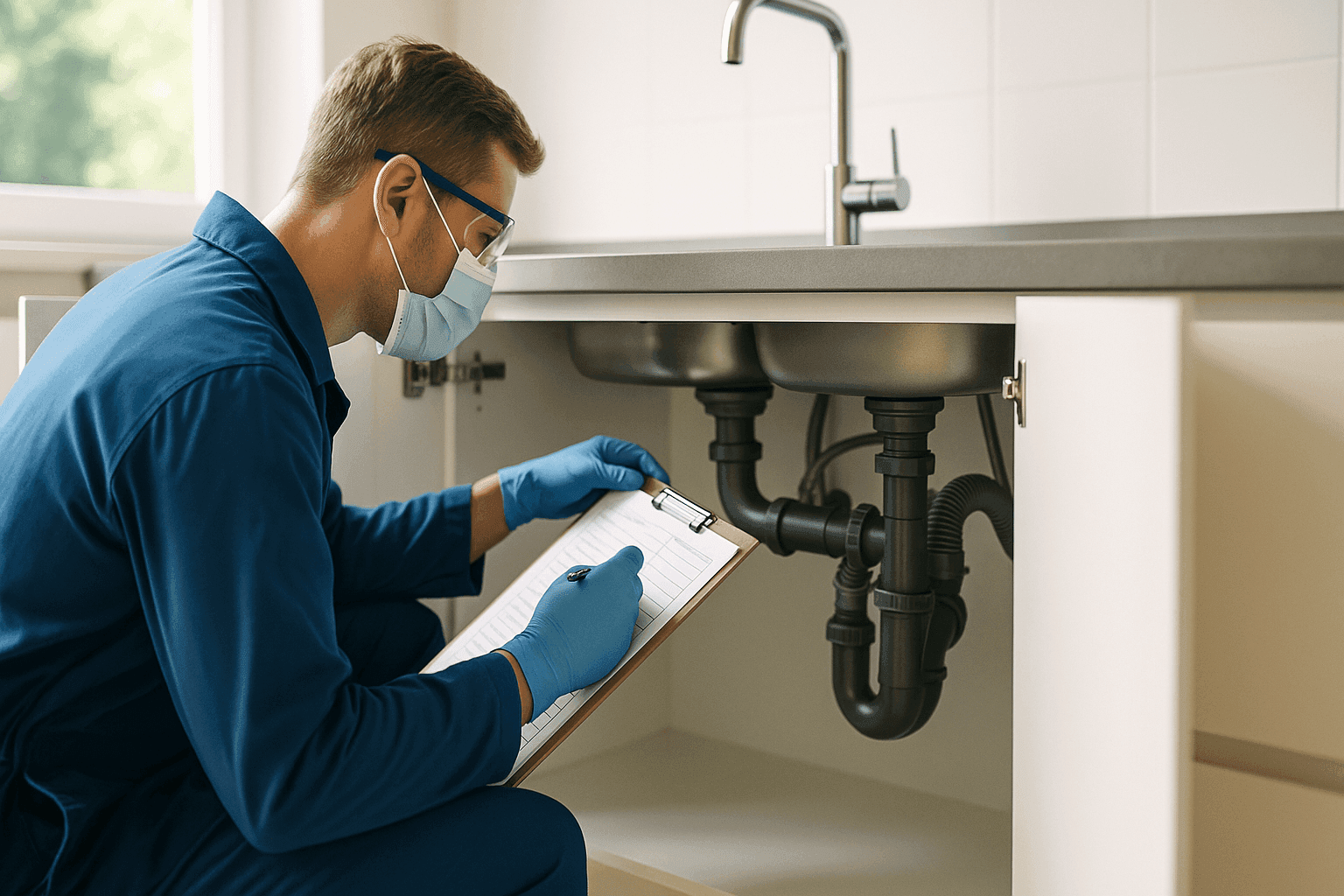
Plumbing problems rarely knock first. One day your pipes are fine. The next, you’re ankle-deep in water at 2 a.m., phone in hand, searching for emergency plumbing near you.
At Wilson Plumbing, we’ve seen it all—at homes and bustling businesses alike. The truth? Most plumbing emergencies don’t start as emergencies. They start as small, simple issues that get overlooked. That’s why we created this step-by-step annual checklist. It’s your shield against leaks, floods, and surprise repair bills.
Why Preventative Maintenance Matters 💧
Imagine your plumbing system as the veins of your building. Out of sight, but always working. When those veins clog, burst, or leak, the whole body suffers.
Why bother with annual maintenance?
- Cost Savings: Catching leaks or corrosion early means an easy fix—before it becomes a budget-busting emergency.
- Safety: Gas line leaks, faulty water heaters, or backflow issues are more than an inconvenience. They can be dangerous.
- Insurance Compliance: Many insurers require proof of routine maintenance for claims on water damage or gas incidents. The International Association of Certified Home Inspectors recommends annual checks to lower risks and insurance premiums.
- Code Compliance: Licensed plumbers like those at Wilson Plumbing follow local building codes and manufacturer guidelines—vital for both safety and legal protection.
Your plumbing isn’t just a system. It’s peace of mind.
Annual Plumbing Checklist
Take one weekend, once a year, and walk through your property with this checklist. Pencil and clipboard in hand. Or, download our printable PDF for easy reference.
Indoor Tasks
- Inspect under sinks for moisture, stains, or musty smell (early leak warning).
- Check exposed pipes for corrosion, drips, or odd noises.
- Test all shut-off valves—make sure they turn easily and don’t leak.
- Toilets: Flush and watch for running water; open the tank and check for worn flappers or fill valves.
- Faucets & Fixtures: Look for drips, low water pressure, or rust.
- Garbage Disposal: Listen for grinding or clogging; run cold water and check for leaks underneath.
- Water Heater: Inspect for rust, puddles, or unusual noises. Flush sediment from tank models (per manufacturer and local code).
- Sump Pump: Pour a bucket of water into the pit to make sure it turns on and drains.
- Appliances: Look over hoses to washers, dishwashers, and refrigerators for cracks or bulges.
- Backflow Testing: Schedule certified backflow testing near you if you have irrigation, fire sprinklers, or a commercial property.
Outdoor Tasks
- Hose Bibs: Check for leaks or pooling after turning on.
- Exterior Drains: Remove debris from grates and drains.
- Sewer Line Cap: Inspect for damage or signs of blockage.
- Basement/Foundations: Look for dampness or water stains on walls and floors.
- Main Water Shutoff: Confirm location and function—practice turning it off.
Seasonal Tasks
- Before winter: Insulate exposed pipes, disconnect garden hoses, and drain outdoor taps.
- Spring: Reconnect hoses, check for freeze damage, and inspect sump pump ahead of rainy season.
- Annually: Schedule a sewer line inspection if you’ve had tree roots or previous backups.
- Every 1–2 years: Test water pressure and adjust if needed (high pressure can burst pipes).
Maintenance Tips: Businesses vs. Homes 🏢🏠
For Homes
- Set reminders for annual water heater flush and filter changes.
- Teach family where shut-offs are (fast action saves water damage).
- Monitor water bills—unexpected spikes can mean hidden leaks.
For Businesses
- Schedule routine after-hours checks to avoid disrupting customers or staff.
- Document all maintenance for insurance and code compliance.
- Consider preventative contracts for high-use areas (public restrooms, kitchens).
Whether it’s a cozy bungalow or a multi-story office, regular attention keeps your investment safe.
Signs It’s Time for a Pro Inspection 🔍
Don’t ignore these warning signals:
- Unusual noises: Banging, whistling, or gurgling from pipes or water heaters.
- Slow drains: Multiple clogs could signal a main line issue.
- Low or fluctuating water pressure: Often a sign of leaks or blockages.
- Discolored or smelly water: May indicate rust, contamination, or backflow.
- Frequent leaks: Recurring drips often mean aging pipes or faulty installation.
If you spot any of these, it’s time to call a licensed, code-compliant plumber for a thorough inspection.
Long-Term Benefits of Annual Plumbing Maintenance
- Fewer Emergencies: Routine checks mean fewer late-night floods and frantic calls for emergency plumbing.
- Lower Costs: Fixing a drip costs less than repairing water damage later.
- Peace of Mind: Sleep better knowing your home or business is protected.
- Longer Lifespan: Appliances and pipes last longer with regular care.
- Insurance Savings: Many companies offer discounts for documented maintenance.
Investing a little time each year pays off in comfort, safety, and savings.
Want a handy checklist you can print and use? Download our free annual plumbing maintenance PDF—created by Wilson Plumbing’s licensed team, following all local code and safety guidelines.
Call Wilson Plumbing now — or reach us anytime at 877-657-7531 .