The Real Cost of Repiping: What Homeowners & Property Managers Should Expect
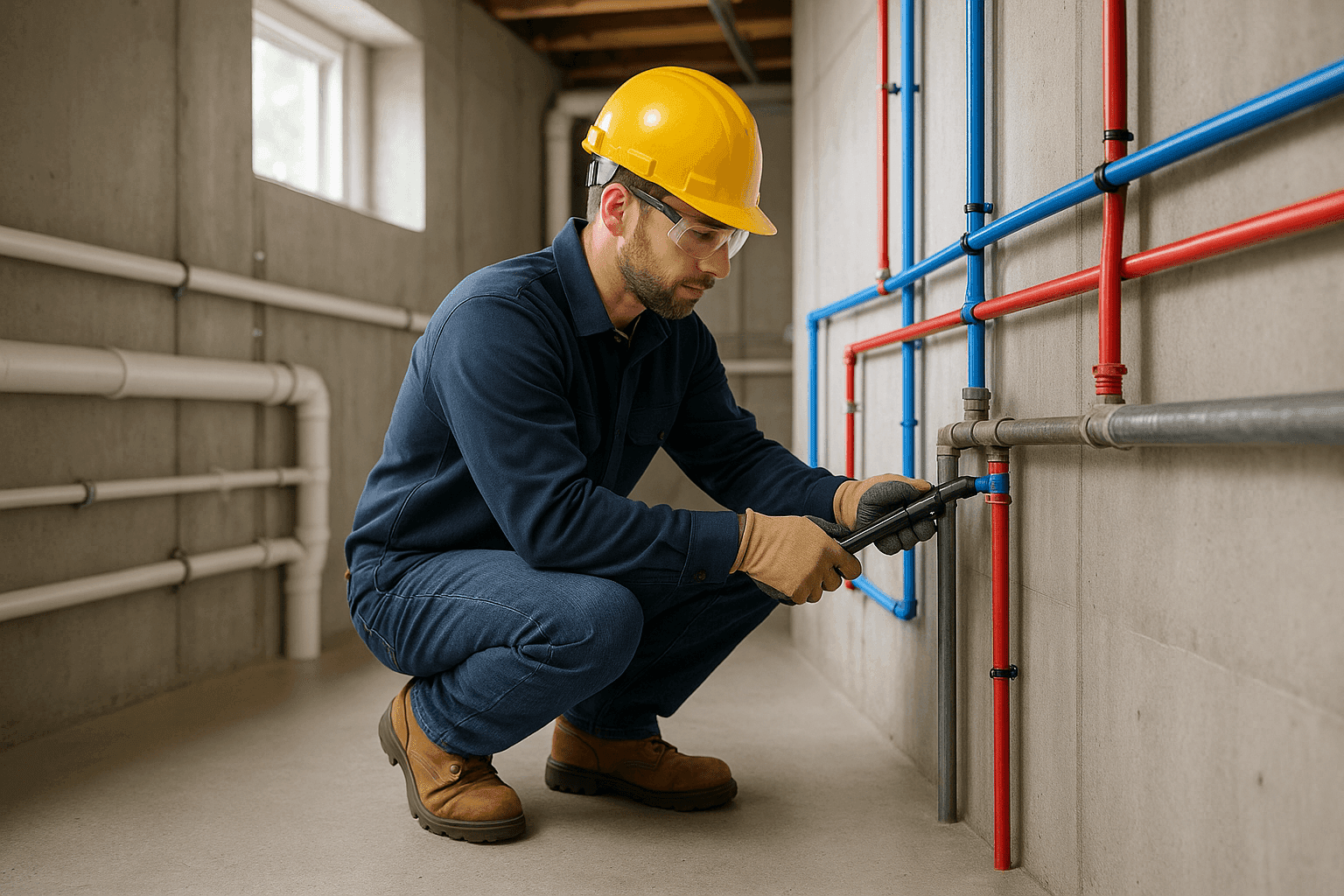
Replacing the pipes in your home or property isn’t just a project—it’s a big decision. Maybe you’ve dealt with leaks, strange water color, or even health warnings about lead. Or maybe you’re facing the kind of repair bills that just keep coming, drip by drip.
At Wilson Plumbing, we know repiping isn’t just about fixing a problem. It’s about protecting your investment, your tenants, or your family. Here’s what you really need to know before you dive in.
When Is Repiping Needed? 🚨
Old pipes are like ticking clocks. Eventually, the wear shows up—sometimes with a bang, sometimes with a trickle.
Common reasons for repiping:
- Frequent leaks: Patching the same spots? That’s a sign.
- Low water pressure: Mineral build-up or corrosion could be choking your supply.
- Rusty or discolored water: Old iron or galvanized pipes are usually the culprit.
- Lead pipes: These are a health hazard and should be replaced ASAP (see EPA guidelines).
- Galvanized pipes: Prone to corrosion, especially in homes built before the 1960s.
If your property is more than 40 years old, it’s time to look closely at what’s behind the walls and under the floors. Even newer homes with poor-quality materials can develop problems early on.
Types of Pipe Materials & Lifespan
Not all pipes are created equal. Some last decades; others wear out faster—especially under stress from climate or local water chemistry.
Common piping materials:
- Copper: Lasts 50+ years, resists bacteria, but can corrode in acidic water.
- PEX (cross-linked polyethylene): Flexible, resists freeze damage, lifespan 40-50 years.
- CPVC (chlorinated polyvinyl chloride): Good for hot/cold water, 40-50 years.
- Galvanized steel: 20-50 years, but prone to rust and mineral build-up.
- Lead: Outdated and dangerous—should be replaced immediately.
Climate and code matter:
In colder regions, freeze-risk is real. Flexible PEX is popular where winters bite. In coastal or humid climates, corrosion-resistant options help pipes last longer. Always check that your chosen material meets local plumbing code (see International Plumbing Code and local amendments).
Cost Factors: Labor, Materials, Property Size
Let’s talk numbers. The cost of repiping can feel like sticker shock, but understanding the pieces helps.
- Labor: The biggest chunk of your bill. Removing old pipes, installing new lines, patching walls/floors—each step adds hours.
- Materials: Copper is pricier than PEX or CPVC. The choice depends on your budget, property type, and local code.
- Property size and complexity: A small home may cost $4,000–$8,000 to repipe. Larger homes or commercial properties can run $15,000–$50,000 or more.
- Accessibility: If pipes are easy to reach, expect lower costs. Hidden or buried lines? More labor.
- Number of fixtures: More bathrooms, kitchens, or laundry areas equal more pipe to replace.
Financing options:
Repiping is a big investment, but many property owners use financing, home equity loans, or insurance (in certain cases—check your policy).
What to expect during the process:
- Water shut-off for 1–3 days
- Walls and ceilings may be opened (and repaired after)
- Final inspection to ensure code compliance
- Clean-up and restoration (patching drywall, repainting)
Home vs. Commercial Repiping
A single-family home is one thing. An apartment building, restaurant, or office block is another story entirely.
Residential repiping:
- Usually takes 2–5 days
- May be staged in sections
- Disruption is contained, but plan for water shut-offs
Commercial repiping:
- Complex schedules to limit downtime for tenants or businesses
- Phased work (one section at a time)
- Fire code and ADA compliance can add steps
Property managers should coordinate with tenants and consider after-hours work to minimize impact.
How to Choose a Qualified Contractor 🛠️
Picking who does your repiping is as important as the materials you choose.
Look for:
- Licensed, bonded, and insured contractors (ask to see the paperwork)
- Experience with both residential and commercial repiping
- Clear, written estimates—no surprises
- References and before/after photos of similar projects
- Warranty details (many reputable plumbers offer 5–25 year warranties on materials and labor)
Questions to ask:
- Are you familiar with local plumbing codes?
- How will you protect my property during the work?
- Will I have a dedicated project manager or contact?
- Can you help with permits and inspections?
What to Expect: Step-by-Step
- Assessment: Plumber inspects your current system, checks for hidden leaks, and tests water quality/pressure.
- Estimate: Detailed quote based on property size, pipe material, and accessibility.
- Scheduling: Pick dates and plan for water shut-off.
- Prep: Cover floors/furniture; move valuables.
- Installation: Old pipes removed, new lines run, connections made.
- Inspection: Local code officials check the work.
- Restoration: Walls, floors, and ceilings patched up.
- Cleanup: Site left tidy—sometimes cleaner than before!
Regional Code Differences & Climate Impacts
No two regions are quite the same when it comes to plumbing.
- Cold climates: Insulation and freeze-resistant pipes are a must. PEX is popular for its flexibility.
- Humid or coastal areas: Corrosion-resistant pipes like copper or CPVC last longer.
- Hard water regions: Mineral build-up can shorten pipe life. Consider water filtration systems to extend lifespan.
- Local codes: Some cities require copper for potable water, others allow PEX/CPVC. Always verify your contractor pulls the right permits and follows the latest code updates.
Check with your local building department or the International Plumbing Code for specifics.
Before & After: Real-World Results
Seeing is believing. At Wilson Plumbing, our team documents every major repiping project with before/after photos—showing the transformation from rusty, leaking lines to a reliable, modern system.
- Before: Corroded pipes, patchy repairs, evidence of leaks
- After: Clean, new lines, proper labeling, tidy finishes
Ask to see examples from similar homes or businesses.
Sample Price Ranges
- Small home (1,200 sq ft): $4,000–$8,000
- Larger home (2,500+ sq ft): $8,000–$15,000
- Apartment/commercial building: $15,000–$50,000+
- Add-ons: Water filtration, fixture upgrades, or water heater replacement can increase cost
Note: These are ballpark figures. Your costs may vary depending on property, location, and unique challenges.
FAQs
How long does repiping take?
Most homes are done in 2–5 days. Large buildings can take weeks, especially if work is phased.
Will I have to move out?
Usually not. Water will be shut off for part of the process, but most people stay in their homes.
Does insurance cover repiping?
Rarely. Insurance may cover pipe damage, but full repipe jobs are typically out-of-pocket unless due to a covered peril. Always check your policy.
Can I repipe just part of my house?
Yes, but it may not solve underlying issues everywhere. Many choose full repiping for peace of mind and better resale value.
Practical Tips for Homeowners & Property Managers
- Schedule repiping during a slow season or planned vacancy if possible.
- Protect valuables and electronics from dust or unexpected leaks.
- Ask about water shut-off timing to plan ahead for tenants or family.
- Consider upgrading fixtures (sinks, toilets) during the project for efficiency.
References
- EPA Lead and Copper Rule
- International Plumbing Code
- Local building department guidelines
Ready to get started—or just want a second opinion? Call Wilson Plumbing now — or reach us anytime at 877-657-7531 .