Sewer Line Problems: Warning Signs, DIY Checks & When to Call a Pro
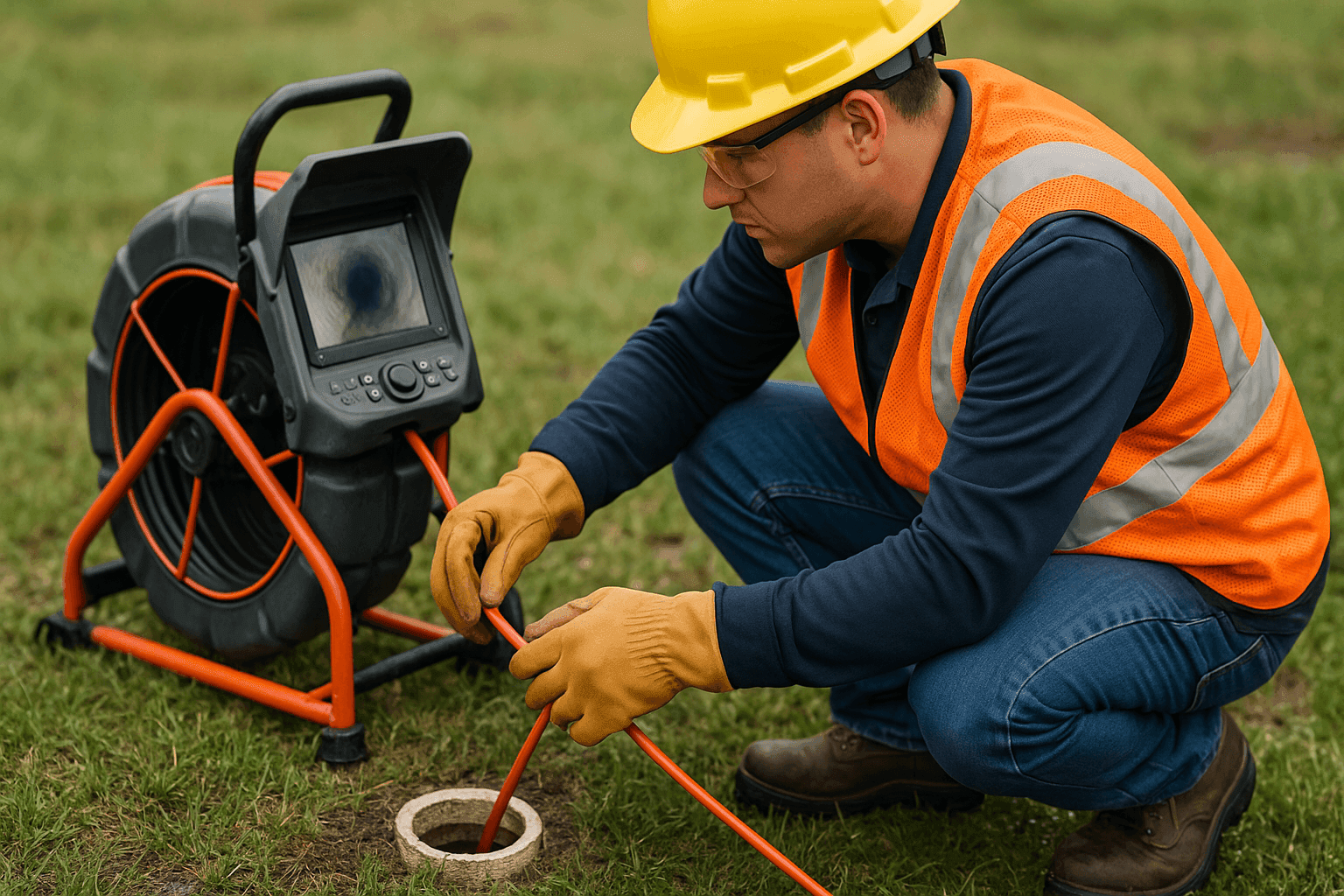
Is your sink gurgling? Does your yard smell like rotten eggs after a storm? Sewer line problems rarely knock politely—they burst in and demand attention. At Wilson Plumbing, we know the panic a backed-up drain or sudden soggy lawn can cause, whether you’re at home or running a business.
With decades of licensed, insured experience handling emergency plumbing, we’ve seen how a small warning sign can become a big, expensive headache. Here’s a practical guide to spotting trouble, what you can safely check yourself, and when it’s time to call a professional.
Common Sewer Line Warning Signs 🚨
Sewer issues don’t always start with fountains in the basement. Sometimes, they whisper. Here’s what to watch for:
- Slow Drains Everywhere: If water empties slowly from every sink, shower, or tub, the problem’s likely in the main sewer—not just one clog.
- Foul Odors Indoors or Out: Smelling sewage in your kitchen or bathroom? Or, does your lawn have a “swampy” scent? Gases can escape even through tiny cracks in sewer lines.
- Soggy, Sunken, or Extra-Green Patches in Lawn: Sewage leaks feed your grass—sometimes making odd stripes or patches of bright green. If the ground’s sinking or spongy, that’s a red flag.
- Unusual Toilet Behavior: Bubbling water, gurgling sounds, or water rising and falling in the bowl can signal a vent or sewer blockage.
- Frequent Backups: If plunging is a daily routine, something bigger is brewing below.
These symptoms don’t always spell disaster, but they’re never “normal.” Untreated, they can lead to health risks, property damage, and costly repairs.
DIY Inspection Tips (Safe Visual Checks & What to Avoid) 🔎
You don’t need a toolbox to spot trouble early. Here’s what you can safely check—no crawling in the mud required.
Safe Checks You Can Do
- Walk the Property: Look for new wet spots, sinkholes, or bright green grass above where sewer lines run.
- Sniff Test: Notice unusual odors, especially after heavy rain or when using lots of water.
- Check All Drains: Are multiple fixtures draining slowly? That’s a clue the main line is struggling.
- Listen for Gurgles: Strange noises from pipes or toilets can mean trapped air from a blockage.
What to Avoid
- Don’t Open Sewer Cleanouts or Pipes: Sewer gases can be dangerous. Leave that to licensed pros with proper equipment.
- No Chemical Drain Cleaners: These can damage pipes and are rarely effective on main sewer clogs.
- Never Use Unapproved Tools: Improper augers or “snakes” can break pipes or push blockages deeper.
Remember: DIY checks are for observation, not repair. If you see or smell evidence of a bigger issue, call a professional. The risk to your health and safety isn’t worth it.
Emergency Situations (When to Act Fast)
Some signs mean it’s time to drop the DIY and call for emergency plumbing immediately:
- Sewage Backing Up into Home or Business: This is a health hazard. Don’t wait.
- Standing Water Near Foundation: Sewage or gray water pooling by your building can erode foundations and invite mold.
- Strong Sewer Gas Indoors: Sewer gases are not just smelly—they can be harmful.
- Multiple Fixtures Backing Up Simultaneously: Especially if toilets are involved, this often means a main line blockage.
- Flooding After Heavy Rain: Stormwater can infiltrate cracked pipes, especially if you have older clay or cast iron lines.
If you face any of these, turn off water usage and call Wilson Plumbing right away. Fast action can minimize property damage and health risks.
Professional Inspection Process (Camera Inspection, Repair Options) 🎥
When you call a licensed, insured plumber for sewer line help, here’s what to expect:
1. Assessment & Safety Checks
A pro will check for immediate hazards, like sewer gas leaks or unsafe wiring near water.
2. Video Camera Inspection
Plumbers use specialized waterproof cameras—fed through pipes from an access point—to see inside your sewer line. This reveals:
- Blockages (tree roots, grease, foreign objects)
- Cracks, breaks, or collapsed sections
- Signs of corrosion or age
This technology pinpoints the problem without digging up your yard.
3. Diagnosis & Repair Options
Depending on the issue, you might be presented with options:
- Hydro-Jetting: High-pressure water cleans out roots and debris.
- Spot Repairs: For small cracks or isolated damage.
- Pipe Relining: A “pipe within a pipe” method for certain damage types.
- Full Replacement: Sometimes necessary if lines are old or badly damaged.
All work should follow local codes and safety guidelines, such as those from the Uniform Plumbing Code (UPC) and International Association of Plumbing and Mechanical Officials (IAPMO).
4. Documentation
Quality plumbers provide inspection footage, written assessments, and details on recommended repairs. Always ask for credentials—licensed, insured pros protect your property and peace of mind.
Preventing Sewer Line Issues
An ounce of prevention is worth a ton of repairs. Here’s how to lower your risk:
- Regular Backflow Testing: Especially in commercial or multi-unit properties, this checks for unwanted water flowing backward into your system.
- Avoid Flushing “Unflushables”: Wipes, sanitary items, grease, and even “flushable” wipes can block pipes.
- Root Management: Tree roots love sewer lines. Plant trees away from buried lines and schedule periodic inspections if you have mature landscaping.
- Proper Drain Usage: Use screens and avoid pouring grease or food scraps down the drain.
- Seasonal Maintenance: After heavy rain or freeze-thaw cycles, have your lines checked—especially in older buildings.
Preventative maintenance, like periodic camera inspections and leak detection, can catch issues before they become emergencies. Wilson Plumbing offers preventative maintenance plans to both residential and commercial clients.
Local & Seasonal Considerations 🌳
Every season brings unique challenges for sewer lines:
- Spring/Fall: Heavy rains raise the water table, stressing old or cracked lines.
- Summer: Tree roots grow aggressively, seeking water from sewer lines.
- Winter: Freezing temps can cause older or shallow pipes to crack.
If you live in an area with mature trees, frequent storms, or aging infrastructure, schedule regular inspections. For businesses, preventive checks are vital—downtime from sewer failures can be costly.
FAQ: Sewer Line Problems
Q: How can I tell if my sewer line problem is an emergency?
A: If sewage is backing up into your home or business, or if you smell strong sewer gas indoors, call for emergency plumbing right away. Multiple slow drains or soggy patches outdoors can be early warnings—don’t ignore them.
Q: What’s the risk of ignoring sewer line warning signs?
A: Waiting can lead to property damage, mold growth, health risks, and much more expensive repairs. Early intervention often saves money.
Q: Do I need a camera inspection every year?
A: Not always. But if you have older pipes, mature trees, or frequent plumbing issues, annual or biennial inspections are smart—especially before buying or selling property.
Q: Is sewer line repair covered by insurance?
A: Sometimes, depending on your policy and the cause (sudden damage vs. gradual wear). Check with your insurer.
When to Call Wilson Plumbing
If you’re seeing warning signs, don’t wait for the problem to grow roots—literally. Sewer line issues rarely fix themselves, and quick action can protect your home, business, and wallet. Wilson Plumbing is fully licensed, insured, and available for emergency plumbing calls day or night, ready to handle everything from sewer line inspection to full repair or replacement.
Call Wilson Plumbing now — or reach us anytime at 877-657-7531 .