Unclogging Toilets: DIY Tips vs. When to Call a Plumber
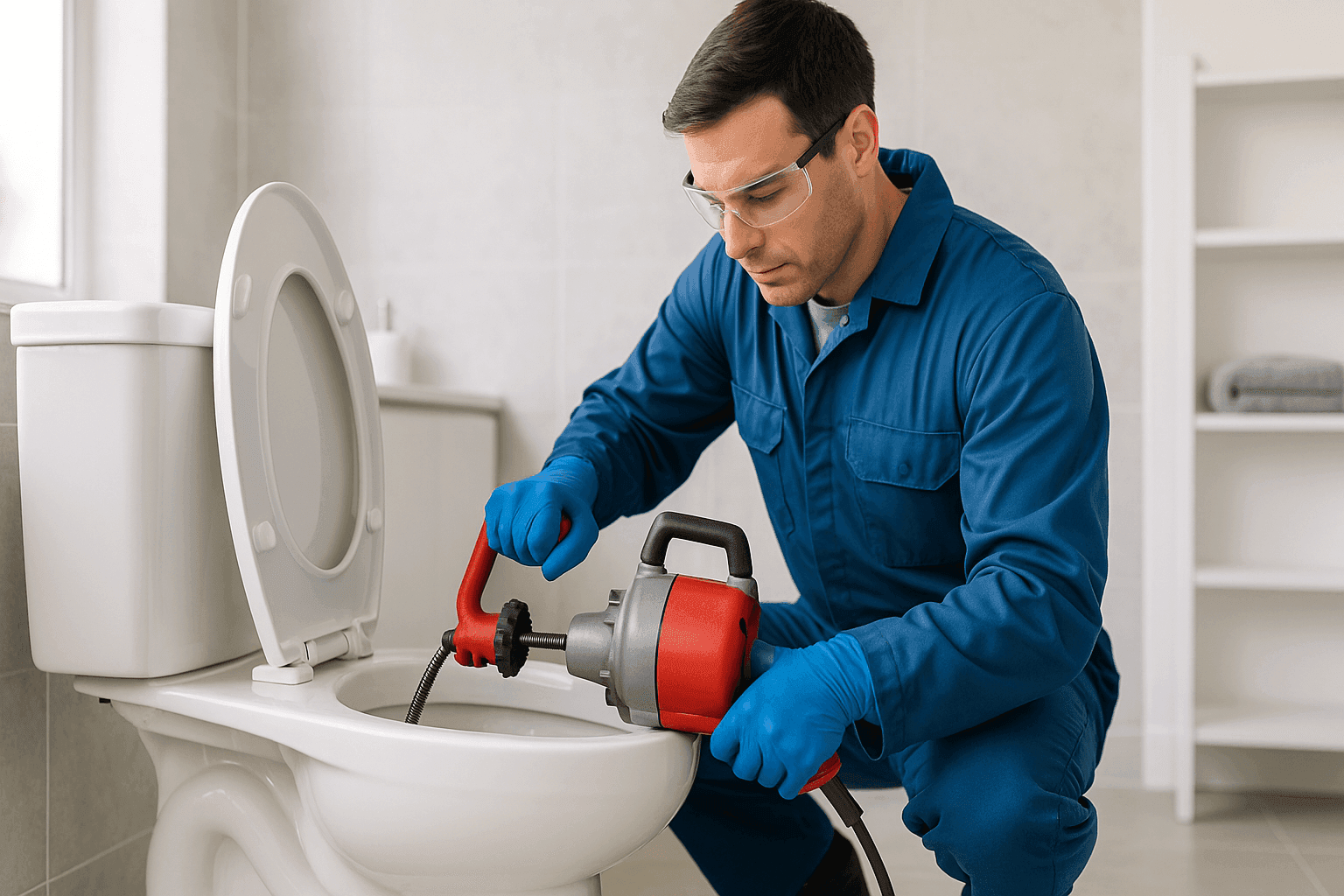
Ever notice how toilets always seem to clog at the worst possible moment? The doorbell rings, guests arrive, and suddenly—disaster strikes. Or maybe you run a busy cafe and the only restroom is out of commission. At Wilson Plumbing, we’ve seen it all. From late-night emergencies to holiday chaos, we know a clogged toilet can upend your day (and your reputation).
But do you need to grab the plunger, or is it time to call for emergency plumbing help? Here’s how to tell—and what to do next.
Why Toilets Get Clogged 🚽
Toilets are like highways—built for steady traffic, but easily jammed by a rogue truck. The main culprits?
- Too much toilet paper: Especially in homes with kids or during parties.
- Non-flushables: Wipes, feminine hygiene products, paper towels, even “flushable” wipes (they aren’t!).
- Blocked trap or drain: The curved pipe (trap) under your toilet catches debris and can build up over time.
- Low-flow/old toilets: Some older models or water-saving toilets don’t have enough power for busy households or high-traffic buildings.
- Hard water buildup: In areas with mineral-heavy water, limescale can narrow pipes—making clogs more likely.
If you’re in an older building or a region with hard water, your pipes might be more prone to stubborn blockages. It’s not just bad luck—it’s plumbing physics.
DIY Unclogging Methods: Step-by-Step
Some clogs are mild and can be tackled safely at home. Here’s how to do it—without making things worse.
1. The Plunger Method
A plunger is your first line of defense—think of it as a fire extinguisher for minor plumbing emergencies.
- Choose the right plunger: A flange plunger (with a narrow bottom) creates the best seal for toilets.
- Add water if needed: The plunger needs to be submerged to work. Add water if the bowl is low.
- Seal and plunge: Place the plunger over the hole and press down slowly, then pull up sharply. Repeat 10–20 times, keeping a tight seal.
- Flush: If water drains, flush once. If it rises, stop! You don’t want an overflow.
2. Toilet Auger (Plumbing Snake)
If the plunger fails, a toilet auger can reach deeper.
- Insert the auger: Feed the flexible end into the toilet gently.
- Crank the handle: Push and rotate to break up or snag the clog.
- Pull out slowly: Remove the auger. Repeat if needed.
- Flush: Check if water drains freely.
3. Enzyme Cleaners
Not every clog needs muscle. If water drains slowly or you suspect organic buildup, enzyme-based drain cleaners (available at hardware stores) can help.
- Follow label instructions: Pour the product into the toilet and wait overnight.
- Rinse: Flush in the morning.
Important: Never mix chemical cleaners, and avoid harsh products that can damage pipes or void your warranty.
What Not to Do (Plumbing Myths & Mistakes)
When panic sets in, some “quick fixes” do more harm than good. Here’s what to avoid:
- Don’t flush repeatedly: Multiple flushes can flood your bathroom.
- No coat hangers: Metal can scratch porcelain and puncture pipes.
- Skip hot water dumps: Pouring boiling water into your toilet can crack the bowl.
- Don’t use chemical drain openers: Many contain caustic agents that corrode pipes and fixtures.
- Don’t ignore leaks: Water around the base? That’s a job for a pro, not a plunger.
If you’re unsure, take a breath. Plumbing isn’t the place for wild experiments.
When to Call a Plumber
Sometimes, DIY just isn’t enough. Here’s when to call Wilson Plumbing’s licensed team:
- Water rising or overflowing: Stop and call. Quick action limits water damage.
- Repeated clogs: If your toilet keeps blocking up, there’s likely a deeper issue in your pipes or main line.
- Foul smells or gurgling in other drains: This signals a potential sewer line backup.
- Water leaks at the base or behind the toilet: This can cause structural damage or mold.
- Unusual noises: Bubbling, banging, or suction sounds from other fixtures.
- No results after DIY attempts: If plungers and augers don’t work, it’s time for pro tools and expertise.
Our plumbers use specialized gear—like high-pressure water jetters, video sewer line inspection cameras, and professional augers—to solve even the toughest clogs. When in doubt, don’t risk it. Emergency plumbing means help is always nearby.
Preventing Future Clogs
An ounce of prevention really is worth a pound of plunging. Here’s how to keep things flowing:
- Only flush toilet paper and waste: Teach guests (and kids!) what’s safe.
- Install childproof locks: In homes with little ones.
- Schedule backflow testing near you: Especially in older or commercial buildings.
- Have pipes inspected regularly: Especially if you’ve experienced multiple clogs or live in a hard-water area.
- Use enzyme treatments monthly: Prevent organic buildup, especially in high-traffic bathrooms.
- Monitor water pressure: High pressure can damage pipes, while low pressure might signal a deeper issue.
- Replace aging toilets or pipes: Modern fixtures handle waste more efficiently and can reduce clogs.
Before/After: Real-World Stories
One Wilson Plumbing client, a busy restaurant owner, called us after their only restroom clogged on a Friday night. DIY plunging made things worse, and water began to overflow. Our emergency plumbing team arrived within the hour, used a camera to find a massive paper towel blockage, and cleared the line—saving the evening and the business’s reputation. The owner now books quarterly sewer line inspections and hasn’t had a repeat emergency since.
Another homeowner in an older neighborhood battled slow drains for months. After repeated clogs and failed augers, we discovered hard water deposits had narrowed the pipes. Our team recommended water filtration, performed pipe descaling, and resolved the issue permanently.
Costs & Time Factors
How long will an unclogging take? It depends:
- DIY fixes: 10–30 minutes for a simple plunger or auger job.
- Professional help: Most clogs are cleared within an hour, but complex cases (main line blockages, sewer backups) may take longer.
- Cost factors: Severity, location of the clog, age of the plumbing, and whether after-hours emergency plumbing is needed.
Remember, fast action can save money by preventing water damage or bigger repairs.
When It’s an Emergency
Some toilet clogs are just an inconvenience. Others are full-on emergencies:
- Overflowing water: Shut off the water valve behind the toilet immediately and call for help.
- Backflow into sinks or tubs: This signals a main sewer line blockage—urgent and potentially hazardous.
- Loss of all toilets in a business or multi-family home: Fast repairs keep your doors open and tenants happy.
- Sewage smells or visible waste: Health risk! Don’t wait—call right away.
Wilson Plumbing is on call 24/7 for these situations—because plumbing trouble doesn’t respect business hours.
FAQ: Common Questions
How do I know if the clog is in my main line?
If multiple fixtures (toilets, sinks, tubs) stop draining or gurgle, the main sewer line may be blocked. This needs immediate professional attention.
Can I use commercial drain cleaners in my toilet?
It’s not recommended. Many contain harsh chemicals that can damage pipes, seals, and toilet parts. Stick to enzyme-based products or call a plumber.
What if the toilet clogs every week?
Recurring clogs mean there’s an underlying issue—like tree roots in pipes, sewer line damage, or persistent buildup. Get a professional inspection.
Is hard water making my clogs worse?
Yes—mineral buildup can narrow pipes, especially in older homes or commercial buildings. Consider water filtration or regular pipe maintenance.
Local & Seasonal Considerations ⏳
In our region, older neighborhoods often have aging plumbing and hard water—two big factors in frequent clogs. During holidays and party seasons, toilets see extra use, making backups more likely. High-traffic buildings (restaurants, offices, apartment complexes) should schedule preventative maintenance and backflow testing near you to avoid surprises.
If your pipes are decades old or you notice frequent slow drains, don’t wait until there’s an emergency.
When a plunger just won’t cut it—or if you’re facing a plumbing emergency—Wilson Plumbing is ready, day or night. Our licensed team is here to solve the problem fast, keep your home or business running, and help you prevent future headaches.
Call Wilson Plumbing now — or reach us anytime at 877-657-7531 .