Winter Plumbing Prep: How to Prevent Frozen Pipes & Costly Damage
Every winter, homeowners and businesses face a silent threat snaking through their walls: frozen pipes. It’s a problem that doesn’t care if you’re asleep, at work, or on vacation—when water freezes, it expands, and pipes burst.
At Wilson Plumbing, our emergency plumbing crew has seen the aftermath. Destroyed flooring, ruined family photos, businesses shut down for days. We know how fast a small freeze can become a big, expensive mess. The good news? A little planning now saves a mountain of stress later.
Why Frozen Pipes Are a Risk
When pipes freeze, they can turn everyday life upside down—fast. Imagine water pressure building, inch by inch, until metal or plastic gives way. Suddenly, you’re dealing with a waterfall inside your building.
What’s at stake?
- Thousands in water damage repair
- Mold and mildew (bad for families and businesses)
- Lost business days
- Soaring insurance deductibles
- Ruined personal items
According to the Insurance Institute for Business & Home Safety, a burst pipe can spill up to 250 gallons of water in a single day. That’s enough to fill your bathtub over a dozen times.
“Most people think it won’t happen to them—until it does,” says one of our senior plumbers at Wilson Plumbing. “We see it every winter. The best fix is prevention.”
How to Winterize Your Plumbing
Start indoors. Then move outside. Simple steps make a huge difference. ❄️
Indoors
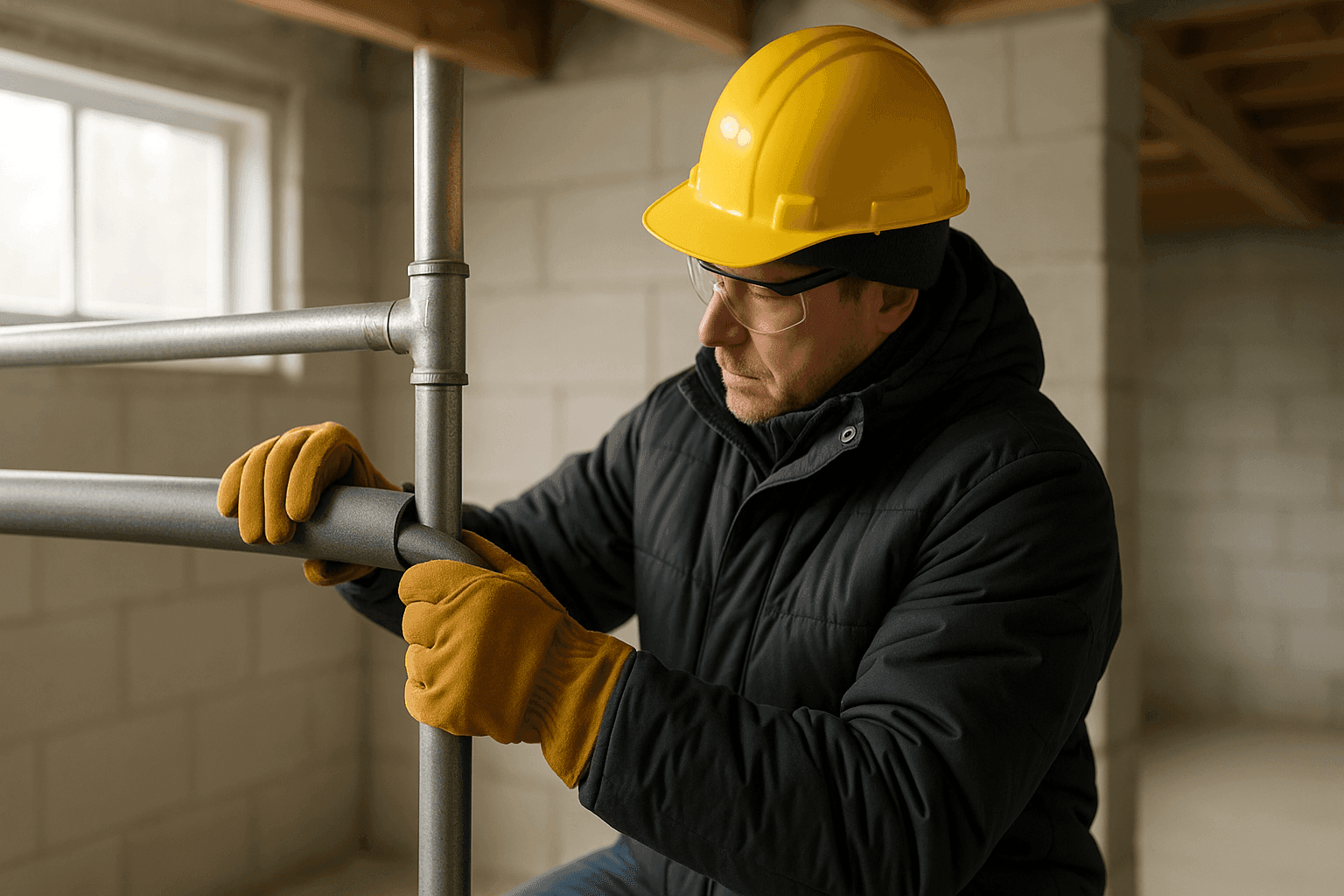
- Insulate exposed pipes: Focus on basements, crawl spaces, attics, and garages. Use foam pipe wrap or even old towels and duct tape in a pinch.
- Open cabinet doors: Let warm air circulate under sinks—especially on exterior walls.
- Let faucets drip: A tiny trickle keeps water moving, making freezing less likely.
- Check water heater: Make sure it’s set to at least 120°F and serviced annually.
- Seal leaks: Cold air sneaks in through cracks—use caulk or weatherstripping.
Outdoors
- Drain garden hoses: Disconnect, drain, and store them.
- Shut off exterior valves: Turn off and drain all outdoor spigots.
- Insulate outdoor faucets: Use foam covers—cheap, easy, and a real lifesaver.
- Check sump pumps: Test and clear debris to avoid winter flooding.
- Protect irrigation lines: Blow them out if possible.
Tip: If you’re searching for "Backflow Testing near you," now’s the time—winter is rough on valves and preventers.
Special Tips for Businesses & Multi-Units
Commercial properties and apartment complexes face bigger risks. More pipes, more people, more potential for chaos. 🏢
- Schedule building-wide inspections: Focus on unoccupied units and less-heated spaces.
- Label shut-off valves: Make sure staff and tenants know where to find them.
- Install smart monitors: Leak detection systems send alerts before disaster strikes.
- Coordinate with maintenance: Regular walk-throughs prevent surprises.
- Educate tenants: Simple flyers about letting faucets drip or reporting leaks fast.
Wilson Plumbing works with both property managers and business owners—prevention isn’t just smart, it’s good for your bottom line.
Signs of Freezing & What to Do
Catch it early, and you might save your pipes—and your wallet.
Warning Signs
- No water (or hardly a trickle) from faucets
- Frost on pipes
- Unusual smells from drains or faucets
- Bulging or strange noises in the walls
What to Do
- Turn off the main water: Fast. This stops pressure from building if a pipe bursts.
- Open faucets: Relieve pressure and give water somewhere to go.
- Gently warm pipes: Use a hair dryer, heating pad, or towels soaked in hot water. Never use open flames.
- Check for leaks: As pipes thaw, watch for drips or pooling water.
If you’re worried, don’t wait. Our emergency plumbing team is ready 24/7.
Emergency Burst Pipe Response
When a pipe bursts, it’s all about speed. Water damage grows with every minute.
Immediate Steps
- Shut off the water main: Know where it is—teach your family or staff, too.
- Kill power if needed: If water’s near electrical outlets or appliances, switch off the circuit breaker.
- Move valuables: Get furniture, electronics, and important documents to higher ground.
- Call Wilson Plumbing: The sooner we’re there, the less damage you’ll face.
- Call your insurance agent: Document everything with photos or video.
Insurance tip: Many policies cover burst pipe damage, but not always the pipe repair itself. Check your policy or ask your agent for details.
“A burst pipe is like a ticking clock. Every minute matters. Fast response means less damage and faster recovery,” says a Wilson Plumbing field supervisor.
Quick Safety Checklist
- Locate your water main shut-off
- Insulate pipes in cold zones
- Drain and shut off exterior faucets
- Set thermostats to at least 55°F, even if you’re away
- Know the signs of frozen pipes
- Have Wilson Plumbing’s number handy for emergency plumbing
DIY or Call a Pro?
Some steps are perfect for handy homeowners and facility managers:
- Wrapping pipes
- Installing faucet covers
- Letting faucets drip
But some jobs need a licensed plumber:
- Backflow Testing near you (required in many areas)
- Main line repairs
- Commercial building winterization
- Gas line checks and installation
When in doubt, call in the pros. We use thermal imaging, pressure testing, and code-compliant repairs to keep your plumbing safe.
What Pros Do On Arrival
When you call Wilson Plumbing for a winter emergency, here’s what to expect:
- Rapid assessment for leaks and pipe damage
- Immediate water shut-off if needed
- Professional thawing of frozen pipes
- Pipe repair or replacement—fast, neat, and up to code
- Backflow Testing and inspection
- Full documentation for insurance
We’ll explain every step and help you understand your options before work begins.
Prevention & Maintenance
Peace of mind comes from routine care. A few minutes now can prevent days of headaches later.
Preventative steps:
- Schedule annual inspections (especially before winter)
- Flush and service your water heater
- Install water filtration and leak detection systems
- Test sump pumps and backflow preventers
- Replace old, corroded pipes before they fail
Ask about our preventative maintenance plans—they’re designed for both homes and businesses.
Costs & Time Factors
Winter plumbing problems can be pricey. The cost depends on the damage, location, and how quickly you act.
- Pipe insulation: Inexpensive materials, easy to install
- Simple repairs: Usually under an hour
- Burst pipe cleanup: Can take days, especially if water damage spreads
- Insurance claims: May cover some costs, but you’ll still face deductibles
Remember: Prevention is a fraction of the cost of emergency repairs.
When It’s an Emergency
If there’s water pouring out, ceilings sagging, or you can’t stop a leak—call for emergency plumbing now. Don’t wait for “business hours.” The longer water flows, the more damage it does.
Wilson Plumbing is available around the clock, holidays included.
FAQ
What temperature do pipes freeze?
Pipes typically freeze when temps drop below 20°F (-6°C), but wind and poor insulation can cause freezing at higher temperatures.
Should I let all my faucets drip?
Just the ones served by pipes on exterior walls or in unheated spaces. One drip per second is enough.
Can I use a space heater to thaw pipes?
You can, but keep it supervised and away from flammable materials. Never use anything with an open flame.
How do I know if I need Backflow Testing near me?
Most cities require annual testing, especially for commercial properties. Wilson Plumbing can help you stay compliant with local codes.
Local/Seasonal Considerations
Every region faces unique winter plumbing challenges. Check your local building codes for insulation and backflow requirements. The American Red Cross and the National Fire Protection Association offer excellent winter safety tips.
If you own an older home or large building, talk to us about custom winterization. Every property is different—we’ve seen it all, and we’re ready to help you stay safe and dry.
Winter shouldn’t mean worrying about burst pipes and water damage. With the right prep, you can relax—even when the temperature plummets. If you need advice, repairs, or emergency plumbing, Wilson Plumbing is here for you.
Call Wilson Plumbing now — or reach us anytime at 877-657-7531 .